
Discover how a non surgical brow lift can enhance your appearance without invasive procedures. Explore effective options like Botox and fillers.
Non Surgical Brow Lift: How to Lift Brows Without Surgery
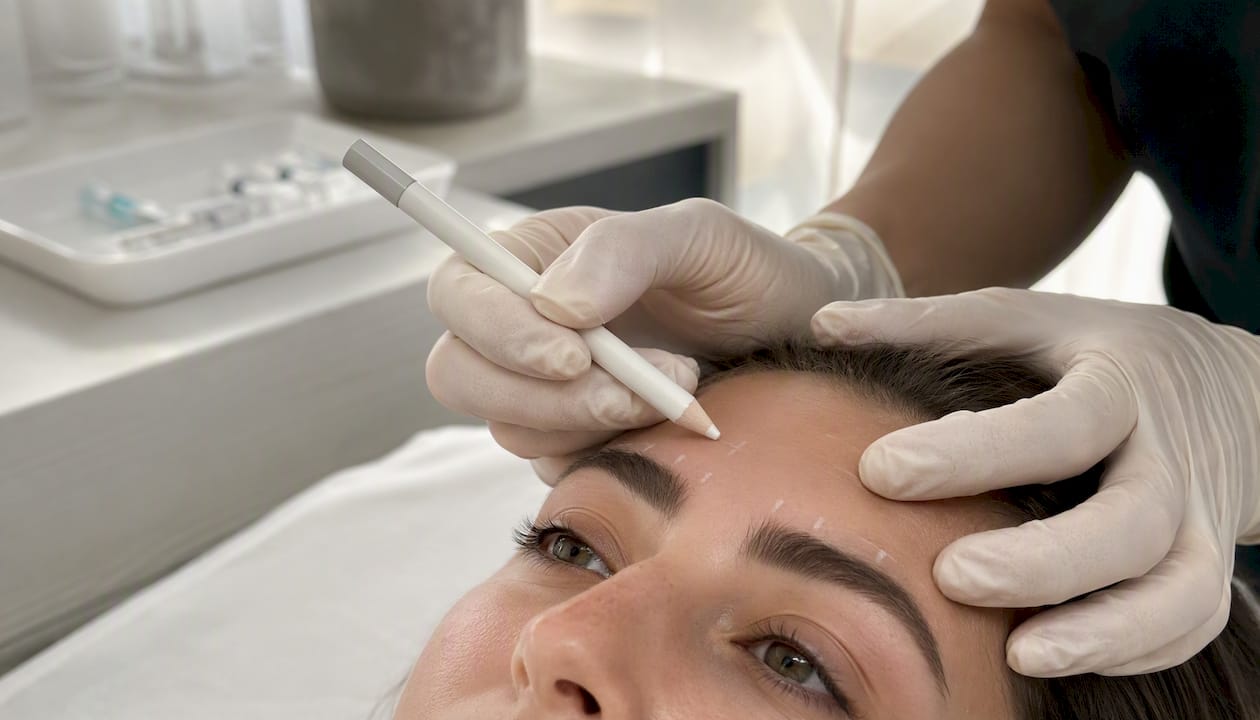
A non surgical brow lift can produce a real, visible improvement for most adults with early brow descent or mild hooding. Neuromodulators like Botox typically deliver 1–3 mm of lateral elevation, while hyaluronic acid fillers and PDO thread lifts can add more structural lift. None of these options replace surgery when there is significant skin excess, but for the majority of people researching this topic, non-surgical methods are genuinely worth exploring first.
Before your first consult, two questions are worth asking any provider: “Where exactly will you inject, and why?” and “What is your plan if I develop asymmetry or a drooping brow?” A provider who answers both confidently, with anatomy-specific reasoning, is one you can trust with your face.
Table of Contents
- How non-surgical brow lifts achieve elevation
- At-a-glance comparison of your main non-surgical options
- How neuromodulators (Botox, Dysport, Xeomin) create a “chemical” brow lift
- How hyaluronic acid fillers lift the brow structurally
- How PDO thread lifts provide mechanical suspension
- Energy-based devices: gradual lift through collagen remodeling
- Who benefits from non-surgical lifts and when surgery is the better answer
- Risks, side effects, and safety precautions before you book
- Procedure timeline, recovery, sessions, and US cost estimates
- How experienced clinicians choose among non-surgical options
- Key Takeaways
- What we’ve learned about patient expectations at Clayton Dental Studio
- Non-surgical brow rejuvenation at Clayton Dental Studio in Humble, TX
- Useful sources and further reading
How non-surgical brow lifts achieve elevation
The brow sits in a constant tug-of-war between muscles that pull it up (the frontalis) and muscles that pull it down (the corrugator, procerus, and orbicularis oculi). Every non-surgical method works by shifting that balance, adding volume beneath the brow, or physically suspending the tissue.
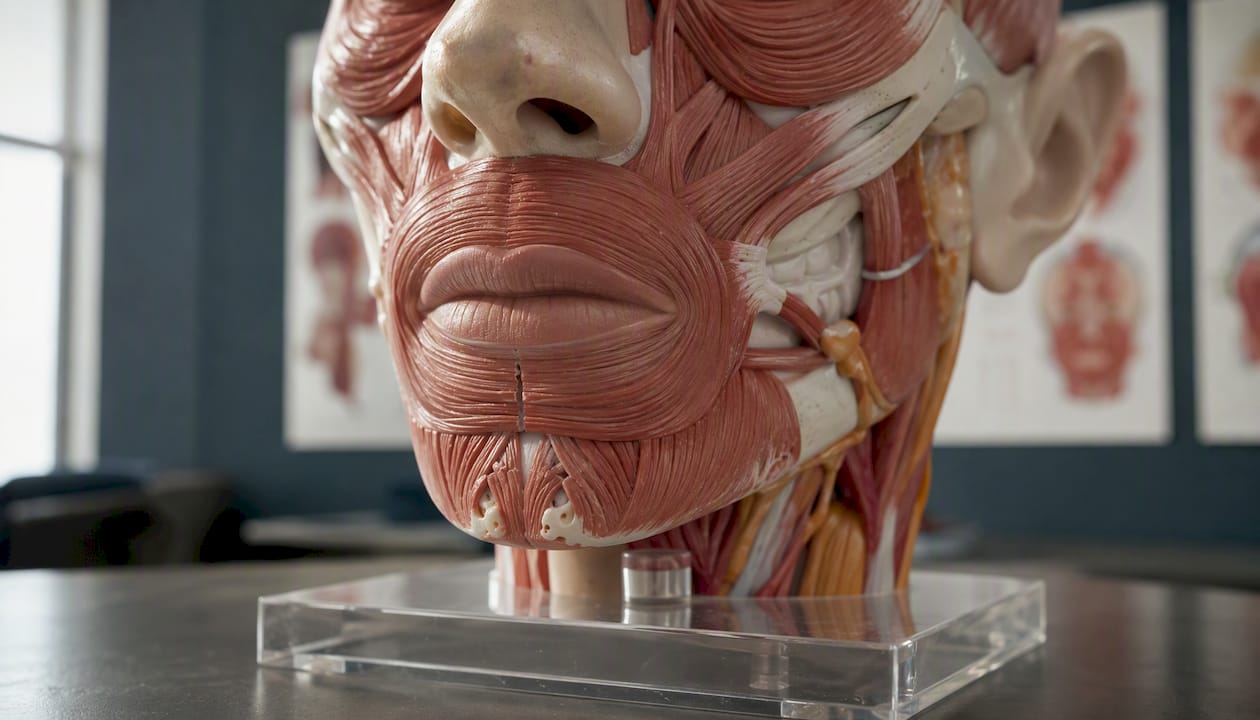
The lateral tail of the brow responds most readily to treatment because the depressor muscles there are more accessible and the frontalis has less competing pull in that zone. Central brow elevation is harder to achieve and easier to overshoot, which is why experienced clinicians often focus on the arch and tail first.
Here is how each mechanism maps to its immediate effect:
- Energy-based devices (ultrasound/HIFU, RF, Sofwave): — Heat the deep dermis and SMAS layer to trigger collagen remodeling. Results are gradual, typically appearing over 2–3 months.
At-a-glance comparison of your main non-surgical options
The table below gives you a quick side-by-side view of the four main approaches. Deeper explanations follow in the sections after it.
| Method | Mechanism | Typical visible lift | Duration | Downtime | Approx. US cost | Key risks |
|---|---|---|---|---|---|---|
| Neuromodulators | Depressor weakening | 1–3 mm lateral | 3–6 months | None | — | Asymmetry, paradoxical droop |
| HA fillers | Volume/structural support | 1–3 mm (variable) | 6–12+ months | Minimal (1–3 days) | $600–$1,500 per syringe | Vascular occlusion, migration |
| PDO threads | Mechanical suspension + collagen | 3–6 mm | 12–18 months | 3–7 days | $600–$1,500 | Dimpling, infection, thread palpability |
| Energy devices | Thermal collagen remodeling | Subtle to moderate | 12–24 months | None to minimal | — | Temporary swelling, rare burns |
The right choice depends on your anatomy and goals. Neuromodulators suit patients who want a low-commitment, no-downtime option. Fillers work well when volume loss is contributing to brow descent. Threads offer more lift for patients who want a longer-lasting result without surgery. Energy devices are best for patients with mild laxity who prefer a gradual, natural-looking change.
How neuromodulators (Botox, Dysport, Xeomin) create a “chemical” brow lift
The American Academy of Ophthalmology has documented the growing popularity of the “chemical brow lift,” and for good reason. It is the most accessible, lowest-downtime option available, and when performed by a skilled injector, the results look natural.
How the lift works
Botox, Dysport, and Xeomin all block the nerve signal to targeted muscles. Injecting small amounts into the lateral orbicularis oculi and corrugator weakens the downward pull on the brow, allowing the frontalis to lift the tail of the brow more freely. The result is a 1–3 mm lateral elevation that opens the eye area noticeably without changing your facial structure.
Step-by-step procedure
- Injection. Typically 4–8 units placed across 4–6 sites in the lateral brow and periorbital area. The appointment itself takes under 10 minutes.
Who is the right candidate?
Ideal patients have mild to moderate brow descent, good skin elasticity, and realistic expectations about a subtle lift. Patients with a very low, heavy brow or significant skin excess are less likely to see satisfying results from neuromodulators alone.
The risk of a paradoxical droop is real and worth understanding. If the frontalis is over-treated or the injector places product too high on the forehead, the brow can actually fall lower. This is why precise anatomy-based mapping matters so much with this technique.
Common side effects and how to manage them:
- Temporary asymmetry (resolves within the treatment cycle or can be corrected at follow-up)
- Mild bruising or swelling at injection sites (typically 24–48 hours)
- Headache in the first 24 hours
- Rare temporary ptosis (eyelid droop) if product migrates
Pro Tip: Ask your provider to show you before-and-after photos specifically of brow lifts, not just forehead lines. The two techniques require different placement logic, and a provider experienced with one is not automatically skilled at the other.
How hyaluronic acid fillers lift the brow structurally
Fillers work differently from neuromodulators. Rather than changing muscle activity, they add physical volume beneath or around the brow to prop it up and change how the surrounding muscles pull. The two main approaches are supraperiosteal placement (deep injection along the brow bone to create a structural ledge) and temporal myomodulation (injecting at the temple to shift the lateral brow upward by changing the mechanical leverage of the temporalis and orbicularis).
The stiffness of the filler matters here. High G-prime products, like certain formulations within the Juvederm and Restylane families, hold their shape under tissue pressure and provide more lift than softer, more spreadable gels. Your provider’s choice of product and injection plane directly affects how much lift you get and how long it lasts. You can learn more about filler selection and G-prime concepts when researching your options.
Vascular safety is the most critical consideration with periorbital filler. The supratrochlear and supraorbital arteries run through the brow region. An inadvertent intravascular injection can cause tissue necrosis or, in rare cases, vision loss. This risk does not mean fillers are unsafe in experienced hands, but it does mean you should only receive periorbital filler from a provider who carries hyaluronidase on-site, knows the vascular anatomy of the face in detail, and has a clear protocol for managing a vascular event.
A 2022 review in the European Journal of Plastic Surgery explicitly lists vascular occlusion and rare blindness among the documented complications of brow filler, alongside more common issues like erythema, asymmetry, granuloma formation, and migration. Knowing this is not meant to alarm you. It is meant to help you ask the right questions.
Practical notes on fillers for brow lifting:
- Duration typically ranges over several months depending on product and placement depth.
- Expect mild swelling and possible bruising for 1–3 days after treatment.
- Avoid strenuous exercise, heat, and alcohol for 24 hours post-treatment.
- Cost in the US generally runs $600–$1,500 per syringe, with most brow lift treatments requiring one syringe or less.
How PDO thread lifts provide mechanical suspension
Thread lifts use absorbable sutures, most commonly made from polydioxanone (PDO), inserted beneath the skin with a fine cannula. The threads have tiny barbs or cones that grip the soft tissue and physically hold the brow in a higher position. Over the following months, the body’s response to the suture material stimulates new collagen, which helps maintain the lift even as the threads dissolve.
What threads do well:
- Deliver an immediate, visible lift of a few millimeters
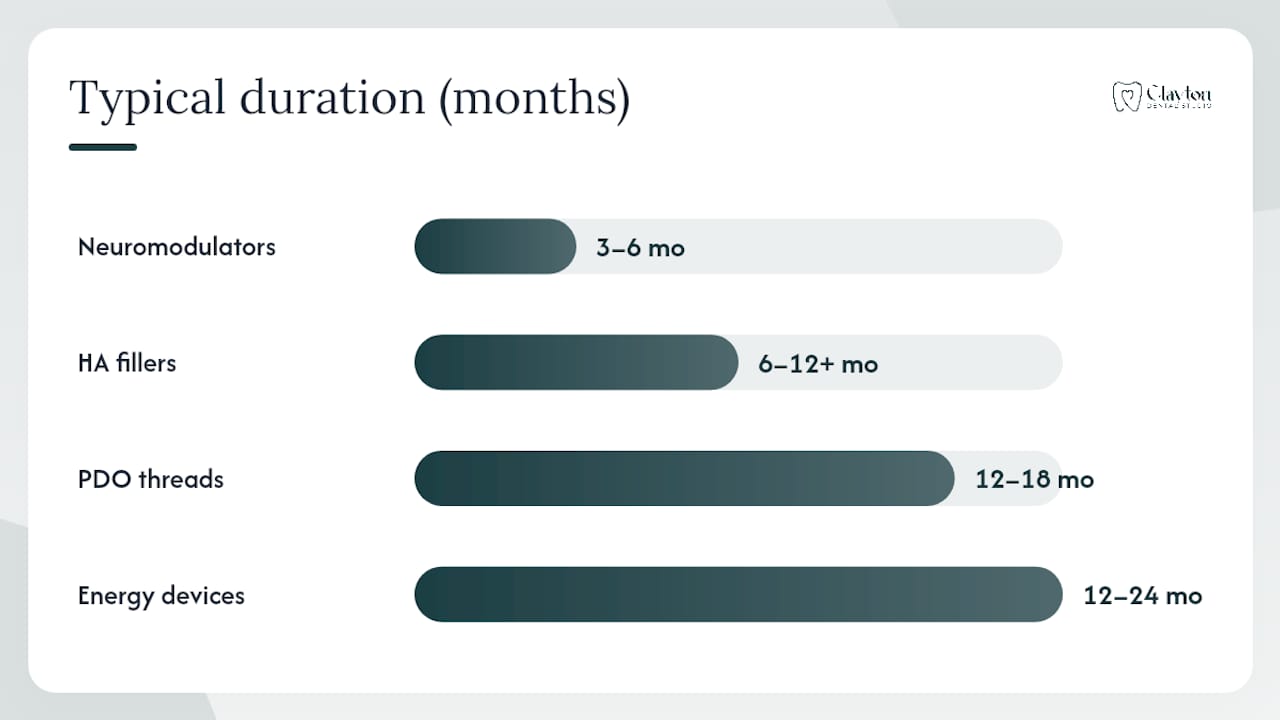
- Provide longer-lasting results than neuromodulators alone, typically 12–18 months
- Work well for patients who want more lift than injectables can provide but are not ready for surgery
Limitations and risks to know:
- Dimpling or puckering of the skin can occur, especially if threads are placed too superficially
- Thread palpability (you can feel the suture under the skin) is possible in thin-skinned patients
- Infection risk, though low, requires strict sterile technique
- Results are not as dramatic or long-lasting as a surgical brow lift
Recovery and aftercare:
- Expect 3–7 days of swelling, tenderness, and possible bruising
- Avoid facial massage, extreme facial expressions, and sleeping face-down for 1–2 weeks
- Most patients return to normal activities within a few days
Threads tend to be preferred over fillers when the primary issue is tissue descent rather than volume loss, and over neuromodulators when a patient wants more lift and longer durability without committing to surgery.
Energy-based devices: gradual lift through collagen remodeling
Ultrasound-based devices (often called HIFU, for high-intensity focused ultrasound) and radiofrequency (RF) devices work by delivering controlled thermal energy to specific depths in the skin and underlying tissue. The heat triggers a wound-healing response that produces new collagen and elastin, gradually tightening and lifting the treated area over several months.
Sofwave is one example of an ultrasound-based device used for non-surgical facial lifting, including the brow area. It targets the mid-dermis with parallel ultrasound beams to stimulate collagen without damaging the skin surface. RF devices work on a similar principle but use electrical energy rather than sound waves.
What to expect from energy-based treatments:
- Results are gradual. Most patients see noticeable improvement 2–3 months after treatment, with continued improvement up to 6 months.
- A single session is often sufficient for mild laxity; moderate cases may benefit from 2–3 sessions spaced several months apart.
- There is little to no downtime. Mild redness or swelling may last a few hours.
- Results typically last 12–24 months, depending on the device, the patient’s skin quality, and their natural aging rate.
Energy devices are best suited to patients with mild to moderate skin laxity who want a gradual, natural-looking improvement and are not comfortable with injectables. They are less effective for patients with significant tissue descent or heavy brows, where mechanical lift from threads or surgery is more appropriate.
Who benefits from non-surgical lifts and when surgery is the better answer
Non-surgical methods work best for a specific group of patients. Understanding where you fall on that spectrum saves time, money, and disappointment.
Good candidates for non-surgical brow lifting:
- Early brow descent with the tail of the brow sitting at or just below the orbital rim
- Mild hooding that is caused by brow position rather than excess eyelid skin
- Volume loss in the brow and temple area contributing to a flattened or descended appearance
- Patients who want a subtle, refreshed look without visible signs of treatment
- Those who prefer no downtime or are not ready for surgery
Contraindications and situations where non-surgical options are limited:
- Significant skin excess (dermatochalasis) that physically covers the upper eyelid
- Heavy brow ptosis where the brow sits well below the orbital rim
- Functional visual obstruction caused by drooping tissue
- Active skin infection, autoimmune conditions affecting healing, or blood-thinning medications that cannot be paused
One important distinction: many patients confuse brow ptosis with dermatochalasis (excess eyelid skin). Non-surgical brow lifting can improve brow position, but it will not remove redundant eyelid skin. If your upper eyelid skin folds over your lash line regardless of brow position, a surgical blepharoplasty or brow lift is likely what you need.
Red flags that should prompt a surgical consult:
- Brow position that causes functional vision problems
- Skin excess that does not improve when the brow is manually lifted
- Previous non-surgical treatments that produced minimal or no improvement
- Patient goal of a dramatic, long-lasting change that non-surgical methods cannot reliably deliver
As the American Society of Plastic Surgeons notes, surgery repositions tissue while neuromodulators fine-tune muscular movement and maintain symmetry. The two approaches are not mutually exclusive, and many surgical patients continue using neuromodulators postoperatively to maintain their results.
Risks, side effects, and safety precautions before you book
Every non-surgical procedure carries some risk. The good news is that most complications from neuromodulators and fillers are temporary and manageable when treated promptly. The rare serious complications are almost always linked to provider inexperience or inadequate emergency protocols.
Vascular emergency warning signs (seek immediate care):
- Sudden skin blanching (white or pale patches) near an injection site
- Increasing pain, redness, or mottling after filler treatment
- Any change in vision, including blurring, double vision, or sudden vision loss
- Skin that turns dark or dusky in the hours after filler
If you experience any of these, contact your provider immediately. A trained injector will have hyaluronidase available to dissolve HA filler and a clear protocol for managing vascular events.
Safety checklist for evaluating any provider:
- Board-certified physician, nurse practitioner, or PA with documented training in facial anatomy and injectables
- Hyaluronidase stocked on-site for all filler appointments
- Willingness to explain their anatomy-based approach and complication management plan
- Before-and-after portfolio specific to brow lifting, not just general facial injectables
- Written informed consent that covers risks, alternatives, and realistic outcomes
- Clear follow-up policy (a two-week check-in should be standard for neuromodulators)
Common side effects and how they resolve:
- Bruising and swelling: typically 24–72 hours for neuromodulators, up to 1 week for fillers or threads
- Mild headache after neuromodulator treatment: usually resolves within 24 hours
- Asymmetry: often correctable at a follow-up appointment within the treatment cycle
- Thread palpability: usually resolves as threads dissolve over several months
Medical conditions and medications that raise risk: Blood thinners (including aspirin, ibuprofen, and fish oil), autoimmune conditions, active skin infections, and pregnancy are all reasons to pause or avoid treatment. Always give your provider a complete medication and health history before any procedure.
This article provides general information, not medical advice. Confirm your candidacy and current treatment options with a qualified provider before proceeding.
Procedure timeline, recovery, sessions, and US cost estimates
Planning ahead makes the whole process less stressful. Here is a practical overview of what to expect for each method.
| Method | Appointment length | Onset of results | Recovery/downtime | Expected longevity | Approx. US cost |
|---|---|---|---|---|---|
| Neuromodulators | — | 4–14 days | None | 3–6 months | — |
| HA fillers | — | Immediate | 1–3 days | 6–12+ months | $600–$1,500/syringe |
| PDO threads | — | Immediate | 3–7 days | 12–18 months | $600–$1,500 |
| Energy devices | — | 2–3 months | None to minimal | 12–24 months | — |
Variables that affect your cost:
- Geographic location (major metro areas typically charge more)
- Provider credentials and experience level
- Product brand and volume used
- Whether combination treatments are performed in the same session
All of these procedures are considered elective cosmetic treatments and are not covered by health insurance. Most clinics offer financing through third-party providers like CareCredit or Alphaeon Credit, which can spread the cost over monthly payments. Ask about financing options when you schedule your consultation.
Aftercare tips to protect your investment: Avoid skin laxity triggers like excessive sun exposure, smoking, and rapid weight changes, all of which accelerate the breakdown of results. A consistent skincare routine with SPF and retinoids supports collagen and extends the time between treatments.
How experienced clinicians choose among non-surgical options
Provider selection is arguably the most important variable in your outcome. The Botox brow lift is one of the most technique-sensitive applications of neuromodulators in facial aesthetics. Precise mapping of depressor versus elevator muscle dominance, which varies from patient to patient, determines whether you get a beautiful lift or a flattened, heavy brow.
At Clayton Dental Studio, Dr. Navneet Kamboj brings an anatomy-first approach to aesthetic treatments through the clinic’s exclusive Dermal Hygiene™ program. The same precision that defines restorative dentistry, where millimeters matter and every structure is interconnected, applies directly to facial aesthetic planning.
Questions to ask any provider during your consult:
- “Can you walk me through your injection mapping for a brow lift specifically?”
- “What is your protocol if I develop asymmetry or a drooping brow after treatment?”
- “Do you carry hyaluronidase on-site, and have you ever had to use it?”
- “Can I see before-and-after photos of patients with a similar brow anatomy to mine?”
- “How many brow lift treatments do you perform per month?”
Documentation and follow-up standards to expect from an experienced provider:
- Standardized pre-treatment photography from multiple angles
- Written treatment record noting product, dose, and injection sites
- A scheduled follow-up at two weeks for neuromodulators, one week for fillers or threads
- Clear instructions for what to do if you notice a concerning symptom between appointments
A provider who hesitates on any of these questions, or who cannot show you a brow-specific portfolio, is worth reconsidering regardless of price or convenience.
Key Takeaways
Non-surgical brow lifting works best for early descent and mild hooding, with neuromodulators delivering 1–3 mm of lateral elevation and combination approaches extending both lift and durability.
| Point | Details |
|---|---|
| Realistic lift expectations | Neuromodulators produce 1–3 mm lateral elevation; fillers and threads can add more, but none match surgical results for major tissue excess. |
| Duration varies by method | Neuromodulators last 3–6 months; HA fillers 6–12+ months; PDO threads 12–18 months; energy devices 12–24 months. |
| Combination therapy extends results | BTX plus high G-prime HA filler showed longer durability and 97% patient satisfaction in a published cohort of ~460 patients. |
| Safety requires a qualified provider | Periorbital filler carries rare but serious vascular risks; only book with a provider who stocks hyaluronidase and knows facial vascular anatomy. |
| Clayton Dental Studio local option | The Dermal Hygiene™ program at Clayton Dental Studio in Humble, TX offers in-office non-surgical facial rejuvenation with an anatomy-first approach. |
What we’ve learned about patient expectations at Clayton Dental Studio
The patients who leave our consultations most satisfied are not the ones who came in expecting the most dramatic change. They are the ones who came in with a clear, honest question: “What can actually be done for my brows without surgery, and will it look natural?”
At Clayton Dental Studio, our approach to non-surgical facial treatments starts with anatomy, not a treatment menu. Before recommending any procedure, we assess brow position at rest and in motion, skin quality, volume distribution, and whether the concern is true brow descent or excess eyelid skin. Those two things look similar in the mirror but require completely different solutions. Recommending a neuromodulator to someone who actually needs a blepharoplasty referral does not help anyone.
We also believe in conservative, repeatable results. A subtle lift that looks like you, only refreshed, is a better outcome than an overcorrected brow that draws attention for the wrong reasons. Non-surgical methods give us the flexibility to adjust, layer, and refine over time, and that is a genuine advantage worth appreciating.
Non-surgical brow rejuvenation at Clayton Dental Studio in Humble, TX
If you are in the greater Houston area and want a clear, honest assessment of your brow lifting options, Clayton Dental Studio’s Dermal Hygiene™ program is designed for exactly that. Dr. Kamboj’s background in clinical precision and facial anatomy means your consultation starts with a thorough assessment, not a sales pitch.
The program includes neuromodulator appointments, HA filler sessions, and energy-based treatments where appropriate, all coordinated as part of a personalized maintenance plan. You will leave your first visit knowing which options fit your anatomy, what realistic results look like, and what the treatment timeline and costs involve. When surgery is the right answer, we say so and provide a referral rather than recommending a non-surgical option that will not deliver.
Most aesthetic procedures at Clayton Dental Studio are out-of-pocket, and financing options are available to help manage the cost. To schedule a consultation or learn more about our aesthetic services, call the office or book online. We are here to help you make a confident, well-informed decision.
Useful sources and further reading
- Eyebrow elevation using chemomodulation and myomodulation (Hyaluronic acid gel) — A cohort analysis - PMC
- Brow lifts vs Botox: Do you need one or both
- Nonsurgical brow-lift — Pleasing patients, diversifyi
- An overview of surgical techniques and non-surgical treatments in lifting the eyebrow including current treatments available | European Journal of Plastic Surgery | Springer Nature Link
- Botox Brow Lift | Tactus Health
- Botox Eyebrow Lift: How It Works, Cost & Results
- Non-Surgical Brow Lift | Scottsdale, Phoenix | Dr. Finkel
Recommended
Ready to Schedule Your Appointment?
Dr. Kamboj and the Clayton Dental Studio team are here to help. Call us or book online today.