
Dealing with a broken crown? Discover urgent steps to protect your tooth and learn about same-day solutions from Dr. Kamboj.
Broken Crown? What to Do Right Now and Next
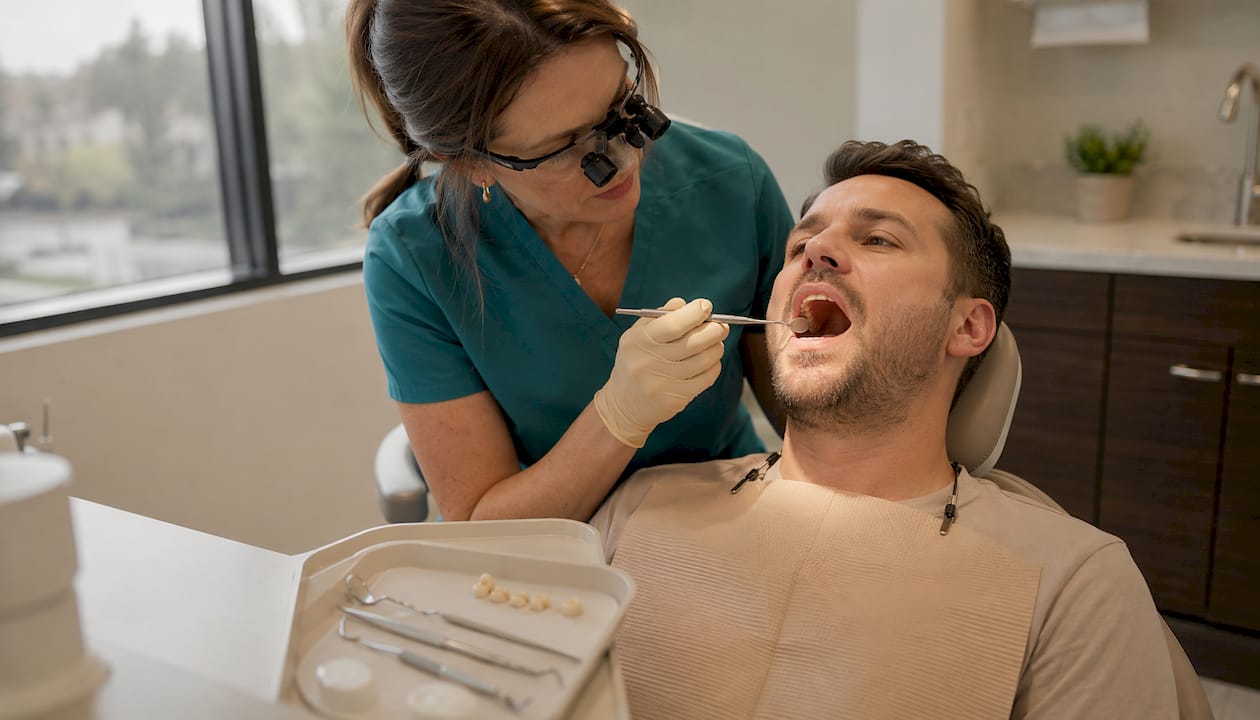
If your crown is broken or chipped, protect the exposed tooth, avoid chewing on that side, save any fragments, and contact your dentist for an assessment as soon as possible. A damaged dental crown leaves the underlying tooth vulnerable to bacteria, sensitivity, and further fracture, so acting quickly matters. At Claytondentalstudio in Humble, TX, Dr. Navneet Kamboj offers same-day CEREC crowns and emergency evaluations so you can get back to normal fast.
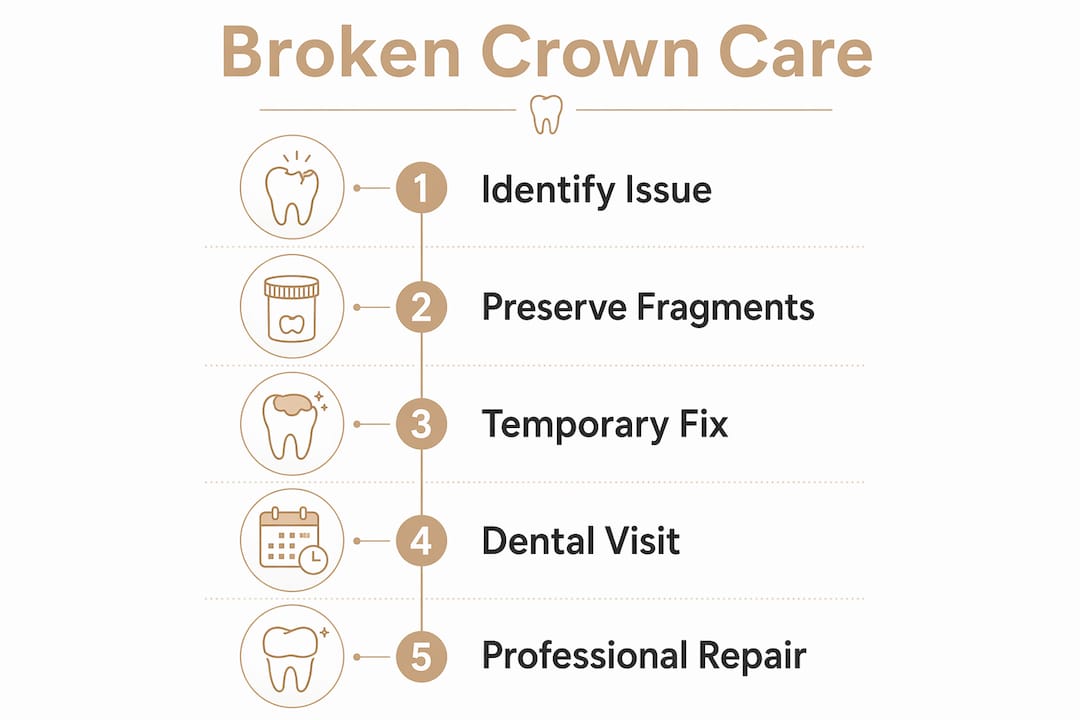
Your immediate checklist:
- Save the crown or any fragments. Place them in a clean, sealed container or zip-lock bag to bring to your appointment.
- Rinse gently with warm water. Do not scrub the exposed tooth or the crown.
- Avoid chewing on that side. Stick to soft foods until you are seen.
- Use OTC temporary dental cement (available at most pharmacies) as a short-term stopgap, not a fix.
- Call your dentist the same day if you have pain, swelling, sharp edges, or a completely dislodged crown. A dental emergency exam can usually be arranged quickly.
A broken crown is considered a dental emergency when it is completely dislodged, causes severe pain or throbbing, or has sharp edges cutting your tongue or cheeks. Small, painless chips are less urgent but still need attention within a few days to prevent decay or infection.
Table of Contents
- Why do crowns break in the first place?
- What to do right away: first aid and safe temporary fixes
- How dentists evaluate and treat a broken crown
- When is a broken crown a dental emergency?
- How to protect your crown from breaking again
- What to expect at Claytondentalstudio for a broken crown
- Key Takeaways
- A note from Dr. Kamboj
- Claytondentalstudio is ready to help today
- Useful sources and further reading
Why do crowns break in the first place?
Understanding the cause helps you and your dentist choose the right repair and avoid a repeat. The most common causes of crown breakage include biting hard objects like ice or hard candy, chronic teeth grinding (bruxism), trauma from a fall or sports injury, cement washout over time, recurrent decay under the crown, and simple age-related material wear.
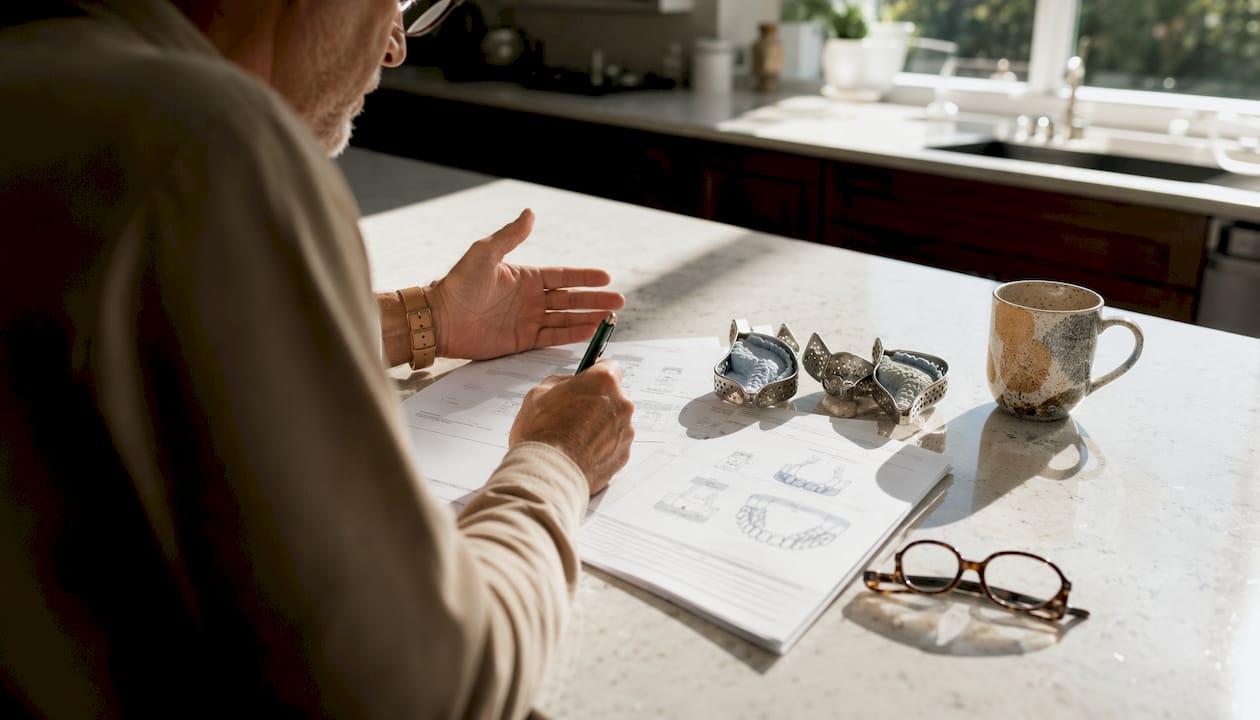
Material matters too. Porcelain-fused-to-metal crowns can chip along the porcelain layer while the metal substructure stays intact. Full-ceramic and zirconia crowns are stronger overall but can still fracture under extreme bite forces or if the crown is too thin in a high-stress area. A crown that chips repeatedly, two or more times, is a warning sign. Recurrent chipping usually signals a design or material mismatch, an occlusal (bite) problem, or unaddressed bruxism, and typically leads clinicians to recommend a redesigned replacement rather than another patch.
Pro Tip: If you grind your teeth at night, a custom night guard is one of the most cost-effective ways to protect both natural teeth and crowns. Ask about bruxism and worn teeth at your next visit.
What to do right away: first aid and safe temporary fixes
Stay calm. A broken crown feels alarming, but you have good options while you wait for your appointment.
- Locate and save the crown or pieces. Even a fragment helps your dentist assess whether re-cementation is possible.
- Rinse the crown gently with warm water. Do not scrub or use household cleaners.
- Rinse your mouth with warm water to clear debris from the exposed tooth.
- Do not use super glue or any household adhesive. These chemicals can burn gum tissue, contaminate the crown interior, and make proper re-cementation difficult or impossible.
- Apply OTC temporary dental cement if the crown is intact and seats back onto the tooth without force. Retail repair kits are designed as short-term measures, often under 48 hours, not a long-term solution.
- Use sugar-free gum as a last resort if no cement is available, to cover the exposed tooth temporarily.
- Call Claytondentalstudio (or your nearest dentist) to schedule an evaluation.
For pain and sensitivity: Over-the-counter ibuprofen or acetaminophen can help manage discomfort. Avoid very hot or cold foods and drinks on the affected side, since the exposed dentin is often sensitive to temperature. A soft diet, think yogurt, mashed potatoes, and soup, keeps pressure off the tooth until you are seen.
What to bring to your appointment:
- The crown or any fragments in a sealed container
- A note of your symptoms (pain level, when it started, any sensitivity)
- Your dental insurance card and any recent X-rays if you have them
How dentists evaluate and treat a broken crown
The right treatment depends on what the dentist finds during the exam, not just what the crown looks like from the outside.
Diagnostic steps your dentist will use:
- Clinical exam and photographs of the fracture
- Bite check with articulating paper to assess force distribution
- Tactile probing of the crown margins
- X-rays when margin breakdown or recurrent decay is suspected
- Mobility testing of the underlying tooth
Once the picture is clear, treatment usually falls into one of these categories:
| Treatment | When it applies | Typical timeline |
|---|---|---|
| Smoothing and bonding | Minor chip, no structural compromise | Single visit, same day |
| Re-cementation | Crown intact, tooth healthy, cement failure | Single visit |
| Same-day CEREC crown | Significant damage, good tooth structure remaining | One appointment |
| Lab-fabricated replacement | Complex cases, special materials needed | 2+ visits, 1–3 weeks |
| Root canal + new crown | Fracture reaches the pulp or infection present | Multiple visits |
| Extraction | Tooth cannot be saved | Varies; implant planning follows |
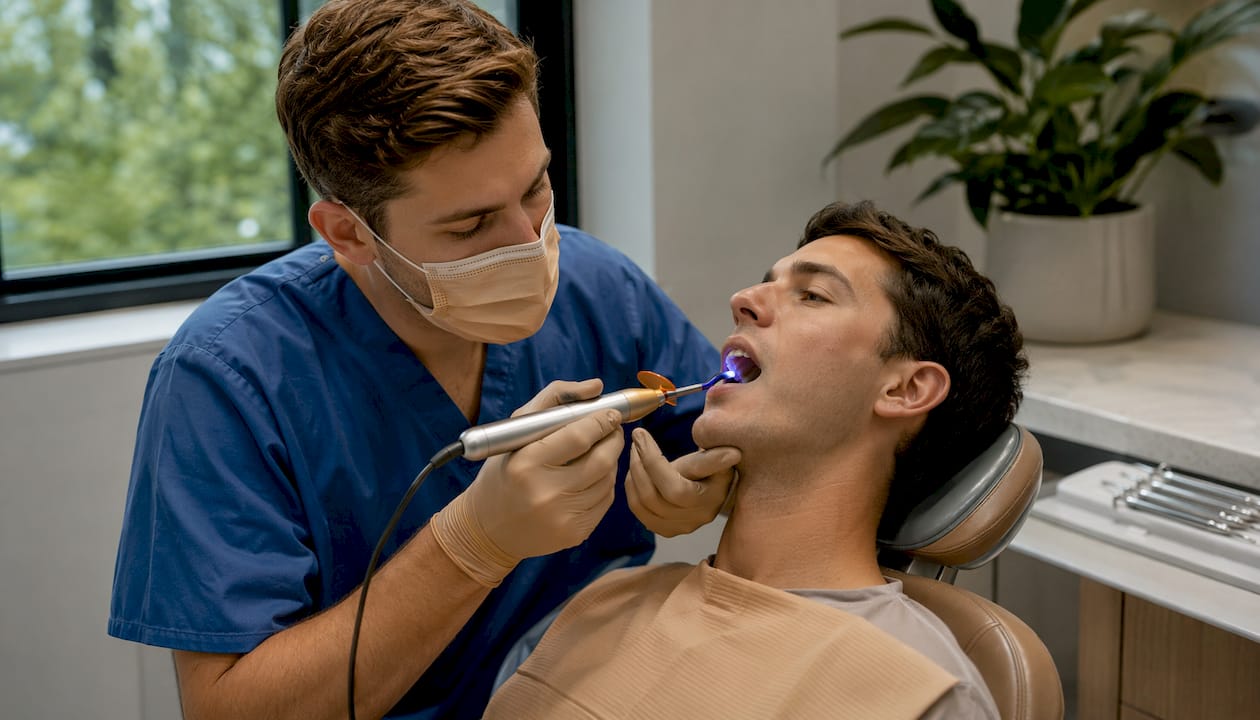
Minor surface chips may be smoothed or repaired with dental bonding (composite resin). Extensive cracks, exposed metal substructure, or recurrent decay typically require a full crown replacement. When same-day CAD/CAM technology like CEREC is available in-office, the dentist can design, mill, and place a new ceramic crown in a single appointment, skipping the temporary crown and the two-week lab wait entirely.
Cost-wise, re-cementation is usually the least expensive path. A bonded repair sits in the middle. A full replacement costs more upfront but often saves money over repeated repairs, especially when recurrent chipping or decay is involved.
When is a broken crown a dental emergency?
Not every chip requires a same-day call, but some situations absolutely do.
Seek same-day emergency care if you have:
- Severe or throbbing pain that over-the-counter medication does not control
- Visible swelling in the face, jaw, or neck
- Fever alongside dental pain (possible sign of infection or abscess)
- Sharp crown edges cutting your tongue or cheeks
- A completely dislodged crown with the tooth underneath exposed
- A large chunk of natural tooth that broke off with the crown
Schedule within 24–72 hours if you have:
- A small, painless chip with no sharp edges
- Mild temperature sensitivity but no severe pain
- A partially cracked crown that is still in place
| Urgency level | Signs | Action |
|---|---|---|
| Same day | Severe pain, swelling, fever, sharp edges, full dislodgement | Call for emergency appointment now |
| 24–72 hours | Mild sensitivity, minor chip, crown still seated | Schedule promptly |
| Within 1–2 weeks | Tiny cosmetic chip, no symptoms | Book at your convenience |
Delaying treatment when margins are open or decayed allows bacteria to enter under the restoration, which can lead to deeper decay, root canal treatment, or tooth loss. The sooner you are seen, the more options remain on the table.
How to protect your crown from breaking again
Prevention is straightforward once you know the usual culprits.
- Avoid chewing ice, hard candy, and popcorn kernels. These are among the most common causes of crown fractures.
- Stop using your teeth as tools. Opening packages, bottles, or bags with your teeth puts unpredictable force on restorations.
- Wear a custom night guard if you grind or clench. Over-the-counter guards offer some protection, but a dentist-fitted guard distributes force more evenly and lasts longer. Jaw pain and bite dysfunction are often connected to bruxism and worth addressing directly.
- Keep up with regular checkups. Routine exams catch early marginal breakdown before a crown fails completely.
- Ask about stronger materials. If your crown has chipped more than once, zirconia or reinforced ceramic may be a better fit for your bite. Same-day CEREC crowns are milled from high-strength ceramic blocks and designed with digital precision, which often means a more accurate fit and better long-term durability.
What to expect at Claytondentalstudio for a broken crown
Claytondentalstudio, located in Humble, TX, is built to handle broken crown cases from the first phone call to the finished restoration. Dr. Navneet Kamboj holds a Doctor of Dental Surgery (DDS) degree from the University at Buffalo and completed a specialized restorative preceptorship at UCLA. She brings nearly a decade of experience in restorative and family dentistry to every case.
What your visit looks like:
- Same-day or next-available emergency evaluation
- Full clinical exam, photographs, and digital X-rays when indicated
- Bite assessment using articulating paper to identify pressure points
- Shared decision-making: Dr. Kamboj explains your options clearly before any treatment begins
- In-office CEREC capability for same-day crown fabrication when appropriate
- Referral coordination for complex cases requiring specialist input
Pro Tip: Bring the crown fragments in a small sealed bag. Even pieces that look too small to reuse give Dr. Kamboj valuable information about the fracture pattern and the fit of the original restoration.
Insurance billing is available for covered restorative procedures, and financing options are available for out-of-pocket costs. When you call, let the team know whether you are in pain so they can prioritize your appointment accordingly.
Key Takeaways
A broken crown needs prompt professional care: save the fragments, skip the super glue, use temporary cement only as a short-term measure, and call your dentist the same day if you have pain, swelling, or sharp edges.
| Point | Details |
|---|---|
| Save the crown | Place fragments in a sealed container and bring them to your appointment. |
| Avoid household adhesives | Super glue burns tissue and prevents proper re-cementation. |
| Temporary cement is short-term only | OTC kits protect the tooth for under 48 hours, not as a permanent fix. |
| Know the emergency signs | Severe pain, swelling, fever, or full dislodgement requires same-day care. |
| Claytondentalstudio offers same-day CEREC | Dr. Kamboj can evaluate, design, and place a new crown in one visit for eligible cases. |
A note from Dr. Kamboj
I’m Dr. Kamboj, and I want you to know that a broken crown, as stressful as it feels in the moment, is one of the most manageable dental situations we see. The patients who call us most relieved are the ones who came in quickly, before a small chip became a bigger problem. We keep our schedule flexible for exactly these moments, and we will walk you through every option before we do anything. Pain control is always our first priority, and most patients leave feeling far more comfortable than when they arrived. If you are worried, please just call us. That first conversation costs nothing and tells you exactly where you stand.
Claytondentalstudio is ready to help today
When a crown breaks, you want answers fast and a dentist who can actually fix it the same day. Claytondentalstudio in Humble, TX gives you both. Dr. Kamboj’s in-office CEREC system means many patients skip the temporary crown entirely and leave with a permanent, custom-milled ceramic restoration in a single visit, no lab wait, no second appointment.

Whether you need emergency dentistry, a same-day crown, a bite guard for bruxism, or a full restorative plan, the team at Claytondentalstudio is ready. Insurance is accepted for covered procedures, and flexible payment options are available for everything else. Call the office or book your appointment online today. Let us take a look, give you a clear plan, and get your tooth protected.
Useful sources and further reading
These resources back the guidance in this article and offer deeper clinical detail for patients who want to learn more.
- Healthline: What to do when a dental crown falls out — Practical patient guide covering re-cementation steps, temporary measures, and what to expect at the dentist.
- Dental Theory Brandon: Broken dental crown, what to do — Covers emergency criteria, common causes, and why routine checkups catch early crown failure.
- Collins Dental Care: Can a broken dental crown be repaired? — Explains repair vs. replacement decision factors and the significance of recurrent chipping.
- Smiles of Boca: Can a porcelain crown be repaired? — Details the diagnostic protocol (photographs, bite checks, probing, X-rays) and the risks of delaying treatment.
- Switch Dental: Dental crown repair kit, a safe temporary fix? — Honest assessment of OTC repair kits, their safe use window, and their limitations.
- Paynless Dental: Broken dental crown options — Partner resource covering emergency response steps and treatment pathways for broken crowns.
- Towne Dental: Emergency dental services — Partner resource explaining triage and same-day care workflows for dental emergencies.
Recommended
Ready to Schedule Your Appointment?
Dr. Kamboj and the Clayton Dental Studio team are here to help. Call us or book online today.