
A loose tooth in adults requires immediate action. Learn causes, effective treatments, and when to see a dentist to protect your smile.
Loose Tooth in Adults: Causes, Treatment, and When to Act
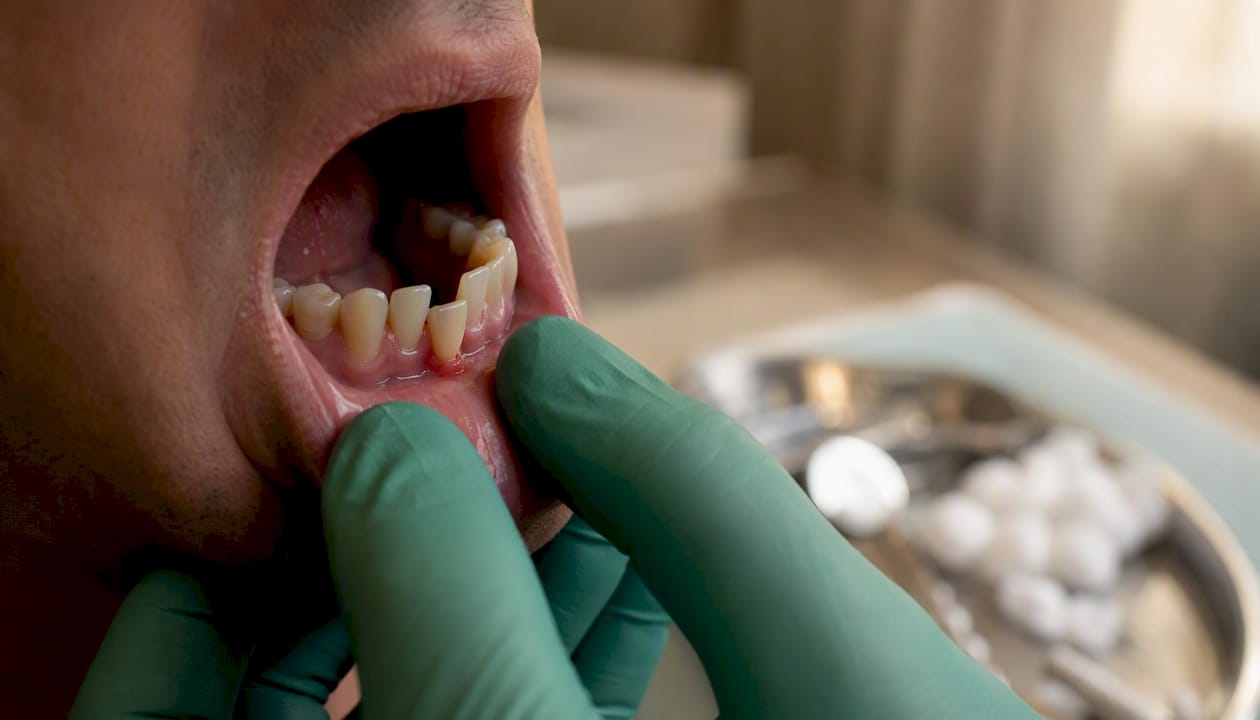
A loose permanent tooth in an adult is not normal. Treat it as potentially urgent until a dentist evaluates the cause, because early treatment genuinely improves your chances of saving the tooth. If you are reading this with a wobbly tooth right now, here is what to do immediately:
- Stop touching it. Wiggling or pushing on a loose tooth can worsen the injury and reduce your chances of saving it.
- Switch to soft foods. Avoid chewing on that side entirely until you are seen.
- Rinse gently with warm salt water to reduce bacteria and soothe the area.
- Control any bleeding with clean gauze, applying light pressure.
- Note your symptoms. Write down when it started, whether there is pain, swelling, or pus, and any recent trauma or medications you take.
- Call your dentist today. If you are in the Humble or Houston area, Clayton Dental Studio offers urgent triage and same-day evaluation.
Pro Tip: If the tooth was knocked completely out, do not let it dry. Place it in milk or Hank’s Balanced Salt Solution and get to a dentist within one hour. Time is the single biggest factor in reimplantation success.
Key Takeaways
A loose permanent tooth in an adult signals underlying disease or trauma and will not stabilize without professional care. Early evaluation is the single most important step you can take.
| Point | Details |
|---|---|
| Not normal, not optional | Adult tooth mobility always signals disease, trauma, or a structural problem that requires professional evaluation. |
| Gum disease is the top cause | Periodontitis destroys the bone and ligament anchoring the tooth; it will not self-correct without periodontal therapy. |
| Early-stage cases are often salvageable | Degree 1 mobility is the most common presentation, and many cases can be stabilized with timely treatment. |
| Know your emergency signs | Spreading swelling, fever, difficulty swallowing, or a knocked-out tooth require same-day care or an ER visit. |
| Clayton Dental Studio offers same-day triage | Humble and Houston patients can call for urgent evaluation, radiographs, and a clear treatment plan the same day. |
Table of Contents
- What does a loose adult tooth actually mean?
- Why is my tooth loose? Symptoms and common causes
- How dentists evaluate a loose tooth
- Can a loose tooth be saved? Signs that favor salvage vs. red flags
- Treatment options for a loose adult tooth
- Safe home care before you see a dentist
- When does a loose tooth become a dental emergency?
- Long-term outlook and how to prevent future tooth mobility
- About Dr. Kamboj and how Clayton Dental Studio handles loose-tooth cases
- Why early action matters more than most patients realize
- Same-day loose tooth evaluation at Clayton Dental Studio
- Sources
What does a loose adult tooth actually mean?
In childhood, a loose tooth is a milestone. In adulthood, it is a warning sign. A permanent tooth is designed to stay anchored for life, held in place by three interlocking structures: the periodontal ligament (a network of fibers connecting the tooth root to the jawbone), the alveolar bone (the ridge of bone that forms the tooth socket), and the gingiva (the gum tissue that seals the area from bacteria).
When any of these structures breaks down, the tooth loses its anchor and begins to shift. That shift, called tooth mobility, is the clinical term dentists use to describe the degree of movement. Unlike a child’s baby tooth, which loosens because the root dissolves naturally, an adult tooth has no built-in exit plan. Mobility in an adult almost always signals disease, injury, or a structural problem that will not resolve on its own.
Why is my tooth loose? Symptoms and common causes
Mobility rarely arrives alone. Most patients also notice one or more of the following:
- Bleeding or swollen gums, especially when brushing
- Pus or a bad taste near the tooth
- Sensitivity to temperature or pressure
- A change in how your teeth fit together when you bite
- Teeth that appear to be drifting or shifting position
- Persistent bad breath that does not clear with brushing
Pocket depths greater than 3 mm are a clinical sign dentists use to diagnose periodontitis, and bleeding gums are often the earliest warning most patients dismiss.
Periodontitis (gum disease)
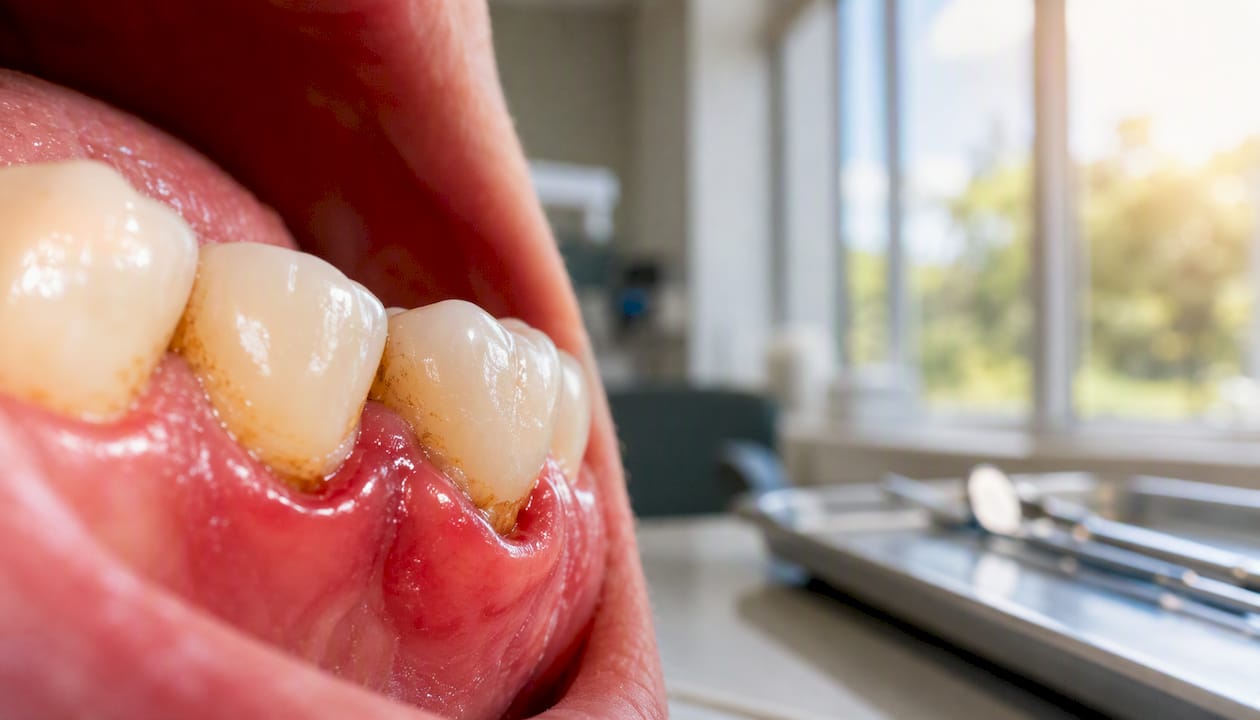
Periodontitis is the most frequent cause of tooth mobility in adults. The bacteria in dental plaque trigger chronic inflammation that gradually destroys the periodontal ligament and dissolves the surrounding bone. Because bone loss is painless in its early stages, many patients are genuinely surprised when a tooth suddenly feels loose. The mobility was not sudden at all; the damage had been building for years.
Dental trauma
A blow to the mouth, a fall, or a sports injury can fracture the root, tear the periodontal ligament, or displace the tooth from its socket. Trauma-related mobility can appear within minutes of the injury.
Bruxism (teeth grinding)
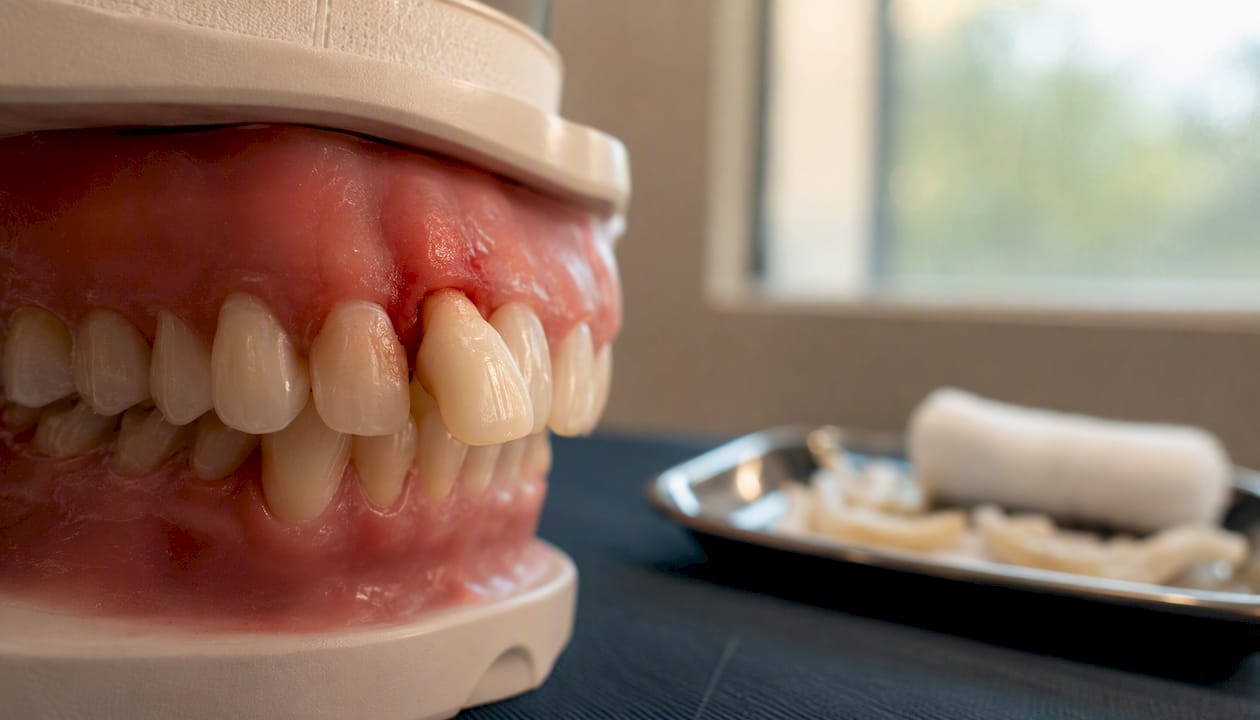
Chronic grinding places repeated overload on teeth and their supporting structures. Over time, that force compresses and damages the periodontal ligament, leading to measurable mobility. A night guard addresses the overload, but it must be combined with periodontal care when bone loss is already present.
Bite imbalance and malocclusion
When teeth do not meet evenly, certain teeth absorb disproportionate force with every bite. That concentrated pressure can loosen a tooth even when the gums and bone are otherwise healthy.
Dental abscess or infection
A bacterial infection at the root tip (periapical abscess) or in the surrounding gum tissue can destroy bone rapidly. Mobility from an abscess tends to worsen quickly and is often accompanied by pain, swelling, and sometimes fever.
Systemic contributors
Causes of a loose tooth also include osteoporosis, pregnancy-related hormonal changes, and certain medications. Osteoporosis reduces bone density throughout the body, including the jaw. Hormonal shifts during pregnancy temporarily loosen the periodontal ligament. Medications such as bisphosphonates, phenytoin, and some immunosuppressants can affect gum tissue and bone metabolism.
Pro Tip: Painless bone loss is the reason mobility can seem to appear “overnight.” No pain does not mean no problem. By the time a tooth feels loose, significant bone loss has often already occurred.
How dentists evaluate a loose tooth
When you arrive at the office, the dentist will not rely on a visual inspection alone. Dental offices routinely order radiographs on arrival because visual inspection cannot show bone loss or root damage. Here is the standard diagnostic sequence and what each step reveals:
| Test | What it shows | Why it matters |
|---|---|---|
| Clinical mobility grading (Miller scale) | Degree of tooth movement (Grade 1: slight; Grade 2: moderate horizontal; Grade 3: severe, including vertical) | Guides treatment urgency and prognosis |
| Periodontal probing | Pocket depth around each tooth in millimeters | Identifies bone loss pattern and extent of gum disease |
| Periapical and bitewing X-rays | Bone levels, root length, root fractures, decay | Reveals how much supporting bone remains |
| CBCT (cone beam CT) | 3D bone architecture, root anatomy | Used when standard X-rays are insufficient for surgical planning |
| Pulp vitality testing | Whether the nerve inside the tooth is alive | Rules in or out root canal need |
- Grade 1 mobility is slight movement, often manageable with periodontal therapy.
- Grade 2 involves visible horizontal movement and usually requires more intensive intervention.
- Grade 3 includes vertical movement (the tooth can be pushed up and down), which typically signals severe bone loss and a guarded prognosis.
A prevalence study found that Degree 1 mobility is the most common presentation, which means many patients who come in early are still in a range where the tooth can be stabilized.
Can a loose tooth be saved? Signs that favor salvage vs. red flags
Whether a tooth can be saved depends on how much supporting structure remains and whether the underlying cause can be controlled. Here is a practical framework:
| Favorable signs (salvage likely possible) | Red flags (extraction may be recommended) |
|---|---|
| Grade 1 mobility only | Grade 3 mobility (vertical movement) |
| Less than half bone loss on X-ray | More than half bone loss radiographically |
| No active pus or spreading infection | Draining sinus tract or active abscess |
| Recent trauma with intact surrounding bone | Systemic signs: fever, facial swelling, difficulty swallowing |
| Responsive pulp on vitality testing | Rapidly worsening mobility over days |
| Single tooth affected | Multiple adjacent teeth involved |
When favorable signs are present, the dentist will typically pursue periodontal therapy, splinting, or endodontic treatment before recommending extraction. When red flags dominate, extraction followed by a planned replacement is often the more predictable path to long-term oral health.
Information the dentist needs to triage your prognosis quickly:
- Exact time of injury or when you first noticed mobility
- Current pain level and whether it is worsening
- Presence of swelling, pus, or fever
- Full medical history, especially diabetes, osteoporosis, or cancer treatment
- Current medications, particularly bisphosphonates or blood thinners
Treatment options for a loose adult tooth
Treatment follows the cause. There is no single protocol; the pathway depends on what is driving the mobility and how far the disease has progressed.
Non-surgical options
For most patients, the first line of care is non-surgical:
- Scaling and root planing (deep cleaning): removes bacterial deposits from below the gumline and smooths root surfaces so the gum can reattach. This is the cornerstone of periodontal therapy for gum disease-related looseness.
- Antibiotics: used selectively when active infection is present, typically as an adjunct to scaling rather than a standalone treatment.
- Occlusal adjustment: reshaping specific tooth surfaces to redistribute bite forces evenly.
- Custom night guard: for bruxism-related mobility, a night guard reduces the chronic overload that undermines other treatments. Addressing the grinding habit is as important as any procedure, because ongoing force will undo even well-executed periodontal care.
- Temporary splinting: bonding the mobile tooth to stable neighbors with a thin wire or composite resin to stabilize it while healing occurs. Splinting works best when performed alongside definitive periodontal or endodontic therapy, not as a standalone fix.
Pro Tip: Splinting has the highest chance of success in the first few weeks after trauma or during active periodontal therapy. Waiting months before splinting significantly reduces its benefit.
Surgical and regenerative options
When non-surgical care cannot fully control the disease, surgical options include:
- Osseous (flap) surgery: the gum is reflected to allow direct cleaning of the root and reshaping of the bone.
- Bone grafting and guided tissue regeneration: materials are placed to encourage the body to rebuild lost bone and periodontal ligament around the root.
- Gum grafts: used when gum recession has exposed the root and contributed to instability.
Endodontic (root canal) therapy
When pulp testing confirms the nerve is infected or necrotic, root canal therapy removes the source of infection and can stabilize a tooth that might otherwise be lost to an abscess-driven bone defect.
Extraction and replacement
When the tooth cannot be saved, extraction is the responsible choice. Leaving a hopeless tooth in place risks spreading infection and accelerating bone loss in adjacent teeth. Replacement options include:
- Dental implant: a titanium post placed in the jawbone that functions like a natural root, topped with a crown. Implants preserve bone and do not involve the neighboring teeth. Clayton Dental Studio offers dental implants in Humble, TX as part of its restorative services.
- Fixed bridge: crowns on the teeth on either side of the gap, connected by an artificial tooth in between.
- Removable partial denture: a removable appliance that replaces one or more missing teeth. You can review tooth replacement options to understand which path fits your situation.
Safe home care before you see a dentist
You cannot fix a loose tooth at home, but you can protect it until your appointment.
Do these things:
- Rinse gently with warm salt water (half a teaspoon of salt in 8 ounces of warm water) two to three times a day.
- Apply light pressure with clean gauze if there is bleeding; hold for several minutes.
- Eat soft foods only: yogurt, scrambled eggs, mashed potatoes, soup.
- Take an over-the-counter analgesic such as ibuprofen or acetaminophen if you have pain, following package directions.
- If a tooth fragment broke off, save it in a small container with milk and bring it to your appointment.
- Call the dental office with a clear description: when it started, pain level, any swelling or fever, and whether there was trauma.
Do not do these things:
- Do not wiggle, push, or try to pull the tooth. Manipulation can worsen the injury and reduce the chance of saving it.
- Do not attempt to reposition a displaced tooth yourself without professional guidance.
- Do not ignore it hoping it will tighten on its own. Gum disease-related looseness will not self-correct without treatment.
If the tooth was knocked completely out:
For an avulsed permanent tooth, keep it moist and seek urgent care immediately. Brief storage in milk or Hank’s Balanced Salt Solution improves reimplantation outcomes compared to dry storage. Reimplantation success is time-sensitive; getting to a dentist within one hour gives you the best possible odds. For additional emergency guidance on a lost tooth, including handling and transport steps, that resource covers the protocol clearly.
When does a loose tooth become a dental emergency?
Some situations cannot wait for a next-available appointment. Seek same-day care or go to the emergency room based on the following:
Call 911 or go to the ER immediately if you have:
- Difficulty breathing or swallowing
- Rapidly spreading swelling into the neck or floor of the mouth
- High fever with facial swelling
- Signs of a systemic infection (chills, confusion, rapid heart rate)
Call your dentist for same-day evaluation if you have:
- A tooth that was knocked out or severely displaced
- Heavy bleeding that does not slow with pressure after 15 minutes
- Severe, uncontrolled pain
- Visible pus or a swollen abscess
- Rapidly increasing mobility over hours or days
- Any signs of a tooth infection such as a bad taste, swelling, or fever
Schedule a next-business-day appointment if you have:
- Mild to moderate mobility with no pain, swelling, or fever
- A tooth that feels slightly different after a minor bump
Pro Tip: When you call the office, lead with the most alarming symptom first: “I have a loose tooth with facial swelling and a fever.” That description tells the front desk to prioritize your call over a routine scheduling request.
Long-term outlook and how to prevent future tooth mobility
Prognosis after treatment depends primarily on three factors: how much bone was lost before treatment began, how well the underlying cause is controlled, and the patient’s own risk profile. Smoking, uncontrolled diabetes, and poor oral hygiene each independently worsen outcomes after periodontal therapy.
The good news is that most risk factors are modifiable. Here is a practical prevention checklist:
- Brush twice daily with a soft-bristled brush and fluoride toothpaste; clean between teeth with floss or an interdental brush every day.
- Keep your periodontal maintenance appointments. After active gum disease treatment, most patients need cleaning visits every 3–4 months rather than the standard twice-yearly recall.
- Quit smoking. Smoking impairs blood flow to the gums and significantly slows healing after any periodontal procedure.
- Manage blood sugar. Diabetics with poor glycemic control have measurably worse periodontal outcomes; working with your physician to stabilize A1C levels directly protects your teeth.
- Wear a night guard if you grind your teeth, and a sports mouthguard during contact activities.
- Support bone health. Adequate calcium and vitamin D intake, and osteoporosis management when indicated, help maintain the jawbone density that anchors your teeth.
- Get regular dental hygiene care to catch early signs of gum disease before mobility develops.
About Dr. Kamboj and how Clayton Dental Studio handles loose-tooth cases
Dr. Navneet Kamboj earned her Doctor of Dental Surgery (DDS) degree from the University at Buffalo, New York, and completed a specialized restorative preceptorship at UCLA. With nearly a decade of experience serving the greater Houston area, she brings both clinical precision and genuine warmth to every patient interaction. She is known in the Humble community for her honesty and meticulous attention to detail.
When a patient calls Clayton Dental Studio with a loose tooth, the triage process is straightforward. The front desk is trained to prioritize calls that involve pus, swelling, fever, severe pain, or a knocked-out tooth. On arrival, patients can expect:
- Radiographs first: periapical X-rays are taken immediately because bone loss and root damage are not visible on exam alone.
- Periodontal probing: pocket depths are measured around the affected tooth and adjacent teeth.
- Mobility grading: the dentist documents the degree of movement and correlates it with imaging findings.
- A clear treatment conversation: you will leave knowing the likely cause, your options, and the recommended next step, whether that is scaling and root planing, splinting, a referral for surgery, or a plan for extraction and replacement.
Services available at Clayton Dental Studio that are directly relevant to tooth mobility include:
- Emergency dentistry and same-day urgent evaluation
- Periodontal therapy (scaling and root planing)
- Dental implants and restorative dentistry
- Same-day CEREC crowns
- Tooth extraction with planned replacement
- Emface TMJ therapy for patients whose jaw tension or bruxism contributes to tooth overload
A prevalence study found that Degree 1 mobility is the most common presentation among adults seeking care, which means many patients who come in promptly are still in a range where the tooth can be stabilized with the right treatment.
Why early action matters more than most patients realize
Most patients who come in with a loose tooth tell me the same thing: they noticed it weeks ago but hoped it would settle down. That delay is understandable. A tooth that does not hurt feels less urgent. But the biology of bone loss does not pause while you wait.
What I find most important to communicate is this: the window for saving a tooth is real, and it closes. Periodontal bone loss is not reversible in the way a cut heals. Regenerative procedures can rebuild some of what was lost, but they work best when there is still enough structure to work with. A patient who comes in at Grade 1 mobility has far more options than one who arrives at Grade 3.
The other thing worth saying plainly: no amount of home care will stabilize a tooth that has lost its bone support. Salt rinses and soft foods protect the tooth while you wait for your appointment. They do not treat the underlying disease. The sooner you get a diagnosis, the more options remain on the table.
Same-day loose tooth evaluation at Clayton Dental Studio
A loose tooth in the Humble and Houston area does not have to mean a lost tooth. Clayton Dental Studio offers same-day urgent evaluations for patients experiencing tooth mobility, pain, swelling, or trauma. Rather than waiting days for a standard appointment, you can call the office directly and describe your symptoms so the team can prioritize your visit.
What to bring: a list of your current medications (especially bisphosphonates or blood thinners), your insurance card, and a note of when the mobility started and any associated symptoms. The team will take radiographs on arrival, complete a periodontal assessment, and walk you through your options the same day.
Whether the path forward is deep cleaning, splinting, a root canal, or a planned dental implant in Humble, TX, Dr. Kamboj will give you a clear, honest picture of what is possible. You can reach Clayton Dental Studio through the services and booking page or by calling the office directly. Same-day care is available for urgent cases. Do not let uncertainty be the reason you wait.
Sources
- Loose Tooth: Causes & What To Do
- Prevalence of tooth mobility among patients visiting a tertiary care centre — PMC
- Tooth loss: First aid - Mayo Clinic
- Loose teeth in adults: What you should know
- Loose teeth in adults: Causes & treatments - Medical News Today
This article is general information, not a substitute for advice from a qualified doctor. Consult a qualified healthcare professional about your own circumstances before acting on anything here.
Recommended
Ready to Schedule Your Appointment?
Dr. Kamboj and the Clayton Dental Studio team are here to help. Call us or book online today.