Learn how acid erosion affects your teeth and discover effective ways to protect your enamel and reduce sensitivity for a healthier smile.
What Acid Erosion Does to Your Teeth (And How to Stop It)
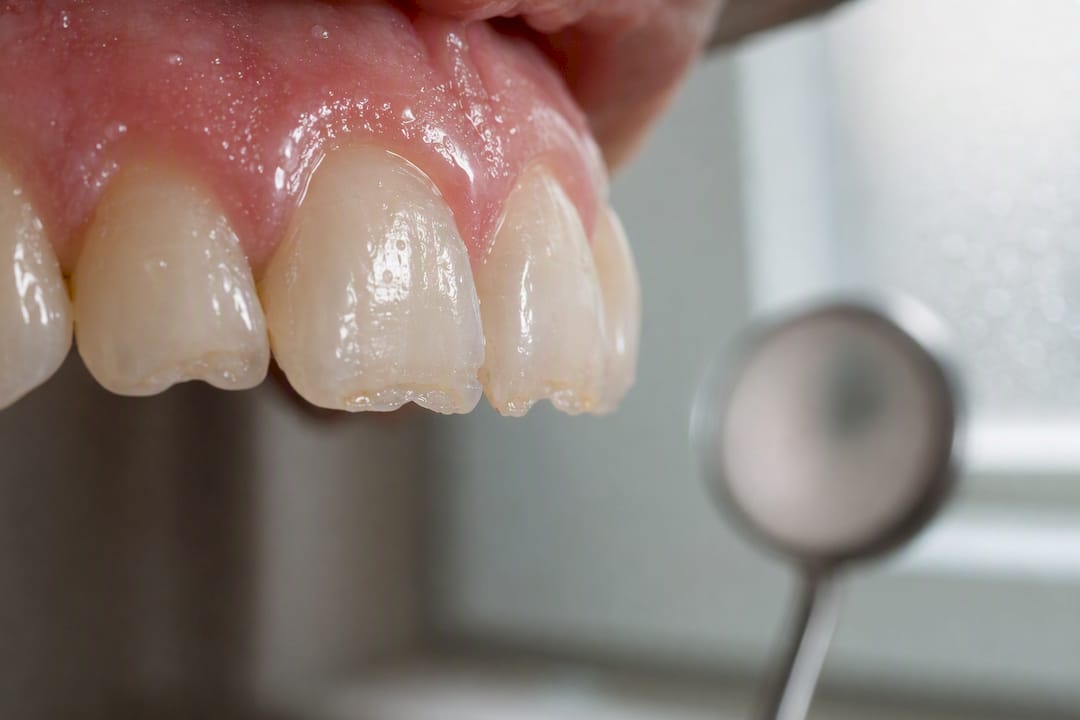
Acid erosion is the irreversible loss of tooth enamel caused by acids that aren’t produced by bacteria, unlike the acid that causes cavities. If you notice sensitivity to cold drinks or see your teeth looking more yellow or translucent at the edges, the priority is simple: cut back on frequent acidic exposure, rinse with water or milk right after eating or drinking something acidic, wait 30 to 60 minutes before brushing, and get a dental exam if sensitivity or visible wear shows up. Guidance from the Royal College of Surgeons of England and a clinical summary from Cleveland Clinic both back this approach.
Here’s what to do right now if you suspect erosion:
- Reduce how often acidic food or drink touches your teeth, even if you can’t cut it out entirely.
- Rinse with plain water or milk immediately after an acidic exposure.
- Hold off on brushing for at least 30 minutes, ideally 60.
- Book a dental exam if you notice sensitivity, thinning edges, or a yellowish cast to your teeth.
TL;DR:
- Most acidic exposures occur throughout the day, and more than four daily incidents significantly increase erosion risk, especially with low saliva flow.
- Rinsing with water or milk immediately after acids and waiting 30 to 60 minutes before brushing help protect softened enamel from further damage.
- Fluoride-based treatments are the most supported and effective preventive measures, while CPP-ACP can be a helpful supplement but is not a substitute.
- Early symptoms like sensitivity and transparent edges require prompt dental assessment to prevent irreversible enamel loss and structural damage.
- Managing internal acid sources like reflux or vomiting is critical, as continued exposure accelerates erosion and undermines restorative efforts.
Table of Contents
- What Is Acid Erosion, and How Does It Differ From a Cavity?
- What Are the Early Symptoms of Acid Erosion?
- What Causes Acid Erosion of Teeth?
- When Should You See a Dentist About Tooth Wear?
- How Can You Protect Your Teeth From Acid Every Day?
- What Treatments Help Repair Acid-Damaged Enamel?
- Who Faces the Highest Risk From Acid Wear?
- How Clayton Dental Studio Approaches Acid Erosion Care
- What Happens if Acid Erosion Goes Untreated Long Term?
- How Is Acid Erosion Different From Other Types of Tooth Wear?
- Why Does Saliva Matter So Much for Erosion Risk?
- Do Alcohol and Smoking Make Acid Erosion Worse?
- Does CPP-ACP Actually Help Remineralize Enamel?
- What Can You Realistically Expect From Treatment?
- Editorial Perspective: Why “Just Brush More” Misses the Point
- Ready to Get Your Enamel Checked?
- Key Takeaways
- Sources
What Is Acid Erosion, and How Does It Differ From a Cavity?
Acid erosion happens through a direct chemical reaction. Acids from food, drinks, or stomach fluid dissolve the mineral structure of enamel on contact. No bacteria involved, no biofilm required. A cavity works differently: oral bacteria feed on sugars and produce acid as a byproduct, and that localized acid attack eats through enamel in a specific spot, usually in a pit, groove, or between teeth. Erosion, by contrast, tends to spread across broad surfaces exposed to acid, which is why it often shows up on the front teeth of people who sip acidic drinks throughout the day.
Mechanical wear is a separate category entirely. Attrition comes from tooth-on-tooth contact (grinding), and abrasion comes from an outside object like a toothbrush or a fingernail habit. Erosion frequently accompanies these mechanical processes and makes them worse, because acid-softened enamel wears down faster under the same physical force.
Clinically, erosion shows a recognizable signature: flattened chewing surfaces, cupped or scooped depressions on the biting edges, and a smooth, glassy look to the enamel where restorations look like they’re sitting slightly proud of the tooth. None of this reverses on its own. Enamel has no living cells and cannot regenerate once it’s gone, which is why Cleveland Clinic frames prevention and early intervention as the only real levers. Saliva can redeposit minerals onto a weakened but intact surface, but it cannot rebuild enamel that has physically dissolved away.
What Are the Early Symptoms of Acid Erosion?
Your mouth usually gives warning signs well before a tooth chips or fractures. Recognizing them early is what makes prevention possible instead of ending up in a restorative chair.
- Sensitivity to cold, sweet, or sour foods. This is often the first thing patients notice, and it happens because thinning enamel exposes the sensitive dentin layer underneath.
- A yellowing tint to your teeth. Dentin is naturally yellow, so as enamel thins, that color shows through, especially near the gumline and biting edges.
- Thin, almost translucent edges. Front teeth can develop a see-through look at the tips as enamel wears down.
- Rounded or cupped depressions on chewing surfaces. These “scooped out” spots, sometimes with a slightly shiny finish, are a classic erosion pattern rather than a cavity.
- Increasing edge fragility. Thinned enamel chips more easily, so small fractures on front teeth that seem to come from nowhere are often a downstream sign of erosion.
Some of these signs are easy to miss because they progress gradually over months or years. Persistent sensitivity that doesn’t fade, or a sudden chip on a tooth that’s never given you trouble, both deserve a professional look rather than a wait-and-see approach.
Pro Tip: Take a photo of your front teeth every few months under the same lighting. Subtle changes in shape or color are far easier to catch in side-by-side photos than in a daily mirror check.
What Causes Acid Erosion of Teeth?
Acid erosion comes from two directions: what you put in your mouth, and what comes up from inside your body. Both matter, and for a lot of patients, it’s a combination of the two.
Extrinsic sources are the acids you consume. The usual suspects include:
- Regular and diet soda, both of which carry a low enough pH to soften enamel regardless of sugar content.
- Sports drinks and energy drinks, often sipped over long periods during exercise.
- Citrus fruits, fruit juices, and vinegar-based foods like pickles and salad dressings.
- Chewable vitamin C tablets and sour or acidic candies held in the mouth.
Intrinsic sources come from inside the body. Gastroesophageal reflux disease (GERD) brings stomach acid into contact with the back teeth, often at night when saliva flow naturally drops. Recurrent vomiting, whether from an eating disorder, hyperemesis during pregnancy, or another medical condition, exposes teeth to acid far more corrosive than anything in a soda can. Rumination, a less commonly discussed condition involving repeated regurgitation, has a similar effect.
Frequency matters more than most people expect. The RCS clinical guidelines identify four or more acidic exposures a day as a threshold that significantly raises the risk of progression, particularly when combined with low saliva buffering or aggressive brushing habits. Interestingly, pH alone doesn’t tell the whole story. Some acidic foods, like yogurt, carry enough calcium and phosphate to counteract their own erosive potential, while a sipped soda with the same pH as orange juice can do considerably more damage due to how it’s consumed.
Other contributors include occupational acid exposure (wine tasters and industrial workers are documented risk groups), certain acidic medications, chronically low saliva flow, and hard-bristled toothbrushes used with heavy pressure right after an acidic meal.
When Should You See a Dentist About Tooth Wear?
A dentist diagnoses erosion primarily through a careful visual and tactile exam, not a single test. They’ll look at wear patterns, note whether depressions are cupped or flattened, and often take photographs to track changes over future visits. Sensitivity testing, using cold air or a light touch, helps confirm how much dentin is exposed.
History-taking matters just as much as the exam itself. Expect questions about how often you consume acidic drinks or foods, whether you experience heartburn or reflux symptoms, any history of frequent vomiting, and what medications you take, since several classes reduce saliva flow as a side effect. The ADA’s guidance on dental erosion recommends this kind of active monitoring paired with targeted risk-factor reduction rather than jumping straight to restorative work.
Certain signs warrant a faster appointment rather than waiting for your next routine cleaning:
- Sensitivity that’s rapidly worsening over weeks rather than staying stable.
- A visible chip or fracture on a tooth with no clear mechanical cause.
- Widespread dentin exposure across multiple teeth.
- Wear patterns concentrated on the roof-side surfaces of upper front teeth, which often points to reflux.
If any of these apply to you, don’t wait for a six-month checkup.
How Can You Protect Your Teeth From Acid Every Day?
Prevention comes down to two things: reducing how often acid touches your enamel, and giving your mouth’s natural defenses a chance to work. Neither requires giving up your favorite foods entirely.
- Keep acidic foods and drinks to mealtimes. Grazing or sipping throughout the day multiplies your acid exposures far beyond what an occasional treat would cause.
- Use a straw positioned toward the back of your mouth. This routes acidic liquid past your front teeth, which are usually the most visibly affected.
- Avoid swishing or holding acidic drinks in your mouth. That habit, common with soda or wine, extends contact time exactly where you don’t want it.
- Rinse with plain water or milk right after an acidic exposure. This helps neutralize the acid and clear it from your mouth quickly.
- Wait 30 to 60 minutes before brushing. Enamel softened by acid is more vulnerable to abrasion, and Cleveland Clinic notes that brushing too soon actually increases the amount of enamel lost.
- Chew sugar-free gum after eating. This stimulates saliva flow, which buffers acid and supplies the calcium and phosphate needed for remineralization.
On the product side, a fluoride toothpaste is your baseline defense, and a dentist may recommend a prescription-strength fluoride or a low-abrasivity formula if your enamel is already compromised. Fluoride mouthwash or in-office fluoride varnish can add another layer of protection, particularly for patients with a documented history of erosion.
If reflux is part of the picture, managing it medically is not optional. Talk to your physician about GERD treatment, since no amount of dental prevention offsets nightly acid exposure from untreated reflux. It’s also worth reviewing your medication list with your doctor or pharmacist, since several common drug classes reduce saliva production as a side effect. Staying well hydrated supports saliva flow too, which matters more than people realize.

Pro Tip: If you drink coffee or wine daily, try switching to water for the last rinse of your mouth before bed. It’s a small habit that meaningfully cuts your total daily acid contact time.
What Treatments Help Repair Acid-Damaged Enamel?
Treatment for weakened teeth depends heavily on how far the erosion has progressed. Nothing reverses lost enamel, so the goal shifts between protecting what remains and rebuilding what’s gone, depending on severity.
- Topical fluoride and remineralization support. Fluoride varnish and high-fluoride toothpaste are the clinical mainstay for early-stage erosion, according to a systematic review of preventive and therapeutic approaches. Adjuncts like casein phosphopeptide-amorphous calcium phosphate (CPP-ACP) show real promise as a supplement to fluoride, though fluoride remains the primary, best-supported intervention.
- Composite bonding. For teeth that have lost noticeable structure but aren’t severely compromised, tooth-colored bonding restores shape, smooths sharp or fragile edges, and often reduces sensitivity by covering exposed dentin.
- Veneers and crowns. When erosion has progressed to significant structural loss, veneers or crowns rebuild both function and appearance. Crowns are typically reserved for teeth with extensive wear or a higher risk of fracture, while veneers suit cases where the front-facing appearance is the primary concern. You can see more on how we approach worn teeth as a clinical concern.
- Medical coordination first. If GERD, an eating disorder, or another intrinsic cause is driving the erosion, that condition needs to be stabilized before committing to elective restorative or cosmetic work. Restorations placed while active acid exposure continues tend to fail faster, sometimes within a year or two.
One detail patients often miss: teeth whitening should wait until erosion is under control. Whitening agents can increase sensitivity on enamel that’s already thinned, so a dentist will typically address active erosion before recommending any teeth whitening procedure.
Who Faces the Highest Risk From Acid Wear?
Certain conditions turn ordinary erosion risk into something that needs closer management.
Reflux that happens at night is particularly damaging because saliva production naturally drops during sleep, leaving stomach acid in prolonged contact with teeth, especially the back surfaces of upper molars. Getting reflux medically managed does more for long-term enamel protection than any toothpaste switch.
After vomiting, the instinct to brush right away is understandable but counterproductive. Rinse instead with plain water, milk, or a mild sodium bicarbonate solution, and avoid brushing for at least half an hour. For anyone dealing with recurrent vomiting tied to an eating disorder or hyperemesis during pregnancy, connecting with a physician or a specialized support resource matters as much as anything a dentist can offer.
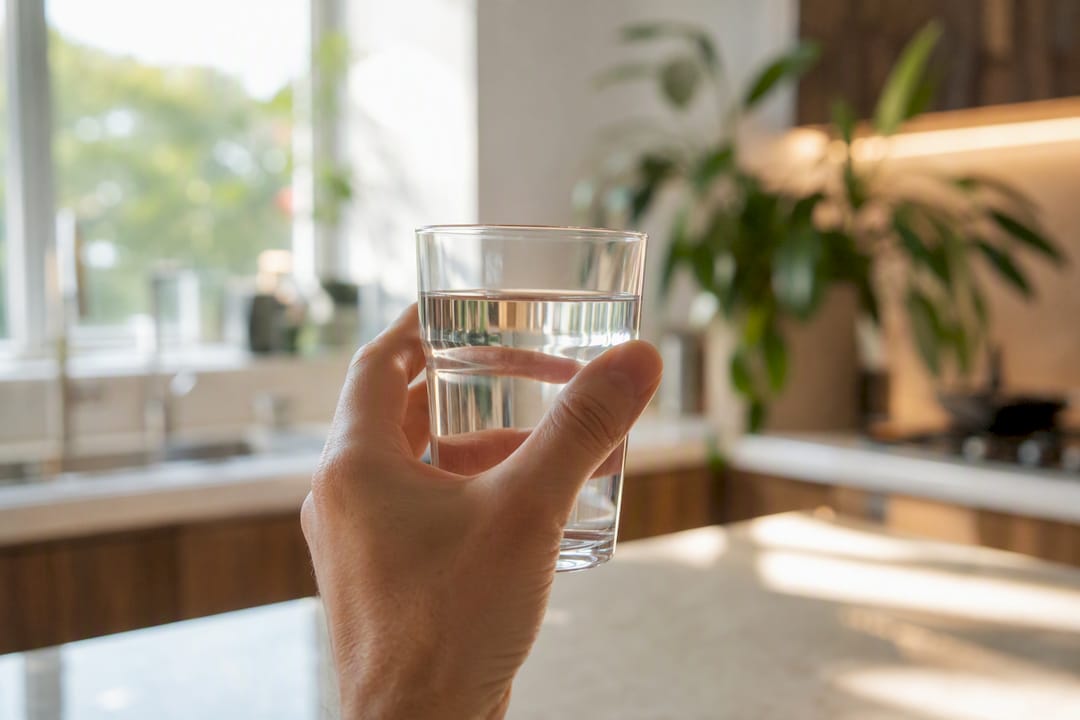
Dry mouth, whether from medication, dehydration, or an underlying condition, removes one of your body’s best natural defenses. Saliva substitutes, sugar-free gum, and simply drinking more water throughout the day all help offset this.
Children and pregnant patients deserve specific attention too. Baby teeth have thinner, softer enamel than adult teeth, so bedtime bottles of juice pose an outsized risk. Morning sickness during pregnancy is essentially a form of intrinsic acid exposure and deserves the same gentle rinse-first approach described above.
How Clayton Dental Studio Approaches Acid Erosion Care
I’m Dr. Navneet Kamboj, and I’ve spent nearly a decade treating patients across the greater Houston area. I earned my Doctor of Dental Surgery degree from the University at Buffalo, and I sharpened my restorative skills through a specialized preceptorship at UCLA. Erosion cases come through our doors regularly, and the pattern I see most often is a patient who assumed sensitivity was just “normal” until it wasn’t.
Our approach starts with a full risk assessment: dietary habits, medical history, medication review, and a photographic record of current wear so we can track changes at future visits. From there, we build a preventive protocol tailored to what’s actually driving the erosion, whether that’s fluoride therapy, diet counseling, or a referral back to a physician for GERD or disordered eating support. When enamel loss has already progressed, we move to minimally invasive repair before considering anything more extensive.
The patients who do best are the ones we catch early, before sensitivity turns into a fracture. A short conversation about drinking habits at a routine visit can save someone from a much bigger restorative case down the road.
What Happens if Acid Erosion Goes Untreated Long Term?
Erosion doesn’t stay put. Left unaddressed, it progresses steadily, and the timeline can span years, but the direction only moves one way. Early softening becomes visible flattening. Visible flattening becomes exposed dentin. Exposed dentin, being softer than enamel, wears down faster than the enamel that once protected it, which accelerates the whole process.
The functional consequences compound over time. Thinning edges chip more easily under normal biting forces, and once a tooth loses enough structure, its risk of fracture rises sharply. In advanced cases, erosion can expose the pulp, the nerve-containing core of the tooth, leading to pain, infection, and the need for root canal treatment or extraction. Bite alignment can shift too, as worn-down teeth change how upper and lower jaws meet, sometimes contributing to jaw discomfort or headaches.
Cosmetically, the changes are hard to ignore. Yellowing from dentin exposure, shortened front teeth, and an aged appearance all tend to develop gradually enough that patients don’t notice until a photo or a dentist points it out.
The financial reality matters too, even without citing exact figures: a case caught early might need nothing more than fluoride therapy and dietary changes, while an advanced case often requires multiple crowns or veneers. Restorative treatment is also not a permanent fix if the underlying acid exposure continues unaddressed, since new restorations remain vulnerable to the same forces that damaged the original enamel.
How Is Acid Erosion Different From Other Types of Tooth Wear?
Dentists distinguish between four mechanisms of tooth wear, and getting the diagnosis right changes the entire treatment plan. Mixing them up leads to fixing the wrong problem.
Erosion is chemical: acid dissolves enamel directly, producing smooth, often shiny surfaces with cupped or flattened contours, frequently affecting multiple teeth in a pattern that matches how acid reaches the mouth.
Attrition is mechanical wear from tooth-on-tooth contact, most commonly from grinding or clenching. It shows up as flat, matching wear facets on opposing teeth, often with sharp, well-defined edges rather than the smooth rounding typical of erosion.
Abrasion comes from an external object repeatedly contacting the tooth, classically a toothbrush used with too much pressure, but also fingernail biting or holding objects like pins between the teeth. It tends to create localized notches, often right at the gumline, rather than the broader surface changes seen with erosion.
Caries, or cavities, result from bacterial acid produced within dental plaque, attacking enamel in a specific, localized spot rather than across a broad surface. Cavities usually feel rough or create a visible hole, whereas erosion produces smooth, sometimes glassy patches.
In practice, these processes overlap constantly. A patient with GERD-driven erosion who also grinds their teeth at night will show a combined pattern, and a dentist needs to identify which factor is dominant to prescribe the right fix, whether that’s a nightguard, reflux management, or both.
Why Does Saliva Matter So Much for Erosion Risk?
Saliva is your mouth’s built-in defense system, and how well it works varies significantly from person to person. It neutralizes acid, washes away food debris, and supplies the calcium and phosphate ions your enamel needs for the natural remineralization that happens after minor acid exposure.
Flow rate is one major variable. Some people naturally produce more saliva than others, and flow drops during sleep for everyone, which is part of why nighttime reflux causes outsized damage compared to the same acid exposure during the day. Certain medications, including many antihistamines, antidepressants, and blood pressure drugs, reduce saliva output as a side effect, and that reduction compounds erosion risk even if a person’s diet is fairly acid-conscious.
Composition matters just as much as volume. Saliva’s buffering capacity, essentially how effectively it neutralizes acid, differs between individuals based on its concentration of bicarbonate and other buffering agents. Two people can eat identical diets and end up with very different erosion outcomes because one person’s saliva simply does a better job of restoring a neutral pH after an acidic meal.
This is part of why the MDPI systematic review on dental erosion identifies saliva as the mouth’s most important natural defense, and why chewing sugar-free gum after eating is a genuinely useful, low-effort habit. It mechanically stimulates flow at exactly the moment your teeth need buffering most.
Do Alcohol and Smoking Make Acid Erosion Worse?
Lifestyle habits outside of diet play a meaningful role in how fast erosion progresses, and alcohol is a bigger factor than most people assume. Many alcoholic drinks, especially wine, hard seltzers, and mixed drinks with citrus or soda, carry a low pH on their own. Beyond the direct acid content, alcohol also reduces saliva production, which strips away the buffering effect that would otherwise help offset that acidity.
Smoking contributes through a different mechanism. It reduces saliva flow and alters its composition, and smokers frequently report a persistent dry mouth sensation as a result. Since saliva is the primary defense against acid damage, a chronically drier mouth environment leaves enamel more exposed during every acidic event, whether from food, drink, or reflux. Smoking is also strongly associated with GERD, adding an intrinsic acid source on top of the extrinsic effects on saliva.
The combination of drinking and smoking together tends to compound both problems rather than simply adding them, since each habit independently reduces saliva while alcohol adds direct acid exposure. Frequent late-night drinking is a particularly common scenario, since it combines acidic beverages with the natural drop in saliva flow that occurs during sleep. Someone who regularly has a glass of wine or a few cocktails in the evening, then goes straight to bed, is creating close to the worst-case scenario for enamel: high acid contact paired with minimal saliva to buffer it overnight.
Does CPP-ACP Actually Help Remineralize Enamel?
Casein phosphopeptide-amorphous calcium phosphate, usually shortened to CPP-ACP, has generated real interest as a remineralization adjunct, and it’s worth understanding what the current evidence actually supports rather than what marketing claims suggest.
CPP-ACP works by binding calcium and phosphate ions and delivering them to the tooth surface, theoretically supporting the natural remineralization process that saliva already performs. Laboratory and small clinical studies have shown promise, particularly when used alongside fluoride rather than as a replacement for it. The MDPI systematic review that examined preventive and therapeutic approaches for dental erosion places CPP-ACP and similar adjuncts, including calcium nanoparticle formulations, in a supporting role: useful additions to a prevention plan, but not substitutes for fluoride-based treatment.
Fluoride remains the clinical mainstay for a straightforward reason: it has the deepest and most consistent evidence base across decades of research and widespread clinical use. Fluoride varnish, high-fluoride toothpaste, and fluoride mouth rinses form the backbone of what dentists actually recommend for patients showing early erosion. CPP-ACP products, often marketed under toothpaste or mousse formulations, can be a reasonable addition for patients with high caries risk or particularly sensitive teeth, but the current consensus doesn’t support treating them as a stronger or equivalent alternative to fluoride.
For patients weighing which products to add to a prevention routine, the practical takeaway is straightforward: don’t skip fluoride to chase a newer ingredient, and use both together only when the fluoride foundation is already in place.
What Can You Realistically Expect From Treatment?
Catching erosion early changes everything about how it plays out. Once a dentist identifies the pattern and its cause, whether dietary, medical, or both, fluoride therapy and habit changes can halt progression before it ever reaches the point of needing a crown or veneer.
Remineralization strengthens the enamel and dentin that remain, but it does not rebuild what’s already gone. A tooth that has lost a visible layer of enamel will not regrow that layer no matter how diligent your prevention routine becomes from that point forward. This is why the RCS erosion guidelines emphasize catching cases while damage is still limited, since the options narrow considerably once structural loss sets in.
Even after restorative work, whether bonding, veneers, or crowns, the underlying cause has to stay controlled. A restoration placed on a tooth still exposed to frequent acid, untreated reflux, or ongoing vomiting is likely to fail again, sometimes faster than the original enamel did. Ongoing monitoring and consistent habit change are what make any treatment, restorative or preventive, actually last.
Editorial Perspective: Why “Just Brush More” Misses the Point
The most persistent myth about acid erosion is that good brushing habits prevent it. They don’t, at least not by themselves. Erosion is a chemistry problem before it’s a hygiene problem, and no amount of brushing offsets four or more acidic exposures a day if the acid itself never gets addressed.
Conventional dental advice still leans heavily on brushing frequency and technique, which matters for cavity prevention but sidesteps the real driver of erosion: how often acid touches your teeth and how well your saliva buffers it afterward. We think the more useful frame is timing and frequency, not brushing harder or more often. Sipping a soda over two hours does more damage than drinking the same can in five minutes with a meal, and that distinction rarely makes it into general dental advice.
If you take one thing from this article, prioritize reducing how often acidic drinks and foods contact your teeth throughout the day. Fix the frequency problem first. Fluoride, gum, and better brushing timing all help, but they’re supporting players, not the main fix.
— Clayton Dental Studio
Ready to Get Your Enamel Checked?
If you’ve read this far because something about your own teeth has you concerned, that instinct is worth acting on. Clayton Dental Studio gives Humble-area patients a direct path from noticing a symptom to getting a real answer, with a full clinical exam, photographic tracking, and a prevention plan built around your actual habits rather than a generic checklist.
What sets an in-person evaluation apart from anything you’ll read online is that a dentist can actually see the pattern of your wear and tell you whether it’s erosion, attrition, abrasion, or a mix. Dr. Kamboj’s restorative background, sharpened through her preceptorship at UCLA, means that if you do need bonding, a veneer, or a crown, the same practice that diagnoses the problem can also fix it. And if yellowing or staining is part of what’s bothering you, that’s worth mentioning too, since stained teeth sometimes trace back to the same enamel thinning that causes sensitivity.
Book an exam through our services page and let’s figure out exactly what’s happening with your teeth before it becomes a bigger problem.
Key Takeaways
Acid erosion is irreversible enamel loss caused by non-bacterial acids, and controlling exposure frequency matters more than any single product or brushing technique.
| Point | Details |
|---|---|
| Erosion is chemical, not bacterial | Acids dissolve enamel directly, unlike cavities, which form from bacterial acid in plaque. |
| Frequency drives risk | Multiple acidic exposures daily significantly raises the risk of erosion progressing further. |
| Never brush right after acid exposure | Wait a reasonable time after acid exposure so saliva can reharden softened enamel before brushing. |
| Fluoride remains the clinical mainstay | CPP-ACP and similar adjuncts support fluoride but don’t replace it for remineralization. |
| See a dentist for tooth wear evaluation | Clayton Dental Studio in Humble, TX offers full risk assessment and restorative care for acid-damaged teeth. |
Sources
- Clinical guidelines for dental erosion (RCS Eng, 2021)
- Tooth erosion: stages, causes & treatment — Cleveland Clinic
- Advances in preventive and therapeutic approaches for dental erosion: a systematic review (MDPI, 2023)
- Dental erosion — American Dental Association (ADA)
This article is general information, not a substitute for advice from a qualified doctor. Consult a qualified healthcare professional about your own circumstances before acting on anything here.
Recommended
Ready to Schedule Your Appointment?
Dr. Kamboj and the Clayton Dental Studio team are here to help. Call us or book online today.