
Discover the causes of bleeding gums and learn essential steps for prevention and treatment. Your oral health is important—find out more!
Bleeding Gums Causes: What Adults Need to Know

Most bleeding gums trace back to one root problem: plaque buildup at the gum line that triggers gingivitis, the earliest and most reversible stage of gum disease. That said, bleeding gums can also signal medications, vitamin deficiencies, systemic conditions, or simple mechanical trauma. Here is what to do right now and when to get help.
Immediate steps:
- Apply gentle pressure with clean gauze or a damp tea bag for a few minutes.
- Rinse with warm salt water to reduce irritation and flush bacteria.
- Resume gentle brushing and flossing — stopping oral hygiene makes inflammation worse, not better.
Red flags that need prompt attention:
- Bleeding that continues for more than two weeks despite good home care.
- Swelling, pus, or a bad taste that won’t go away.
- Loose teeth, fever, or unexplained bruising elsewhere on your body.
If any of those red flags apply to you, contact your dentist or physician soon rather than waiting to see if things improve on their own.
Key Takeaways
Plaque-driven gingivitis is the most common cause of bleeding gums, and it is reversible with consistent oral hygiene and professional cleaning before it progresses to periodontitis.
| Point | Details |
|---|---|
| Main cause is plaque | Bacterial plaque at the gum line causes gingivitis, the leading reason gums bleed when brushing. |
| Act immediately at home | Apply gentle pressure, rinse with warm salt water, and resume gentle brushing and flossing right away. |
| See a dentist within two weeks | Persistent bleeding beyond two weeks, swelling, pus, or loose teeth all require professional evaluation. |
| Prevention is daily and professional | Soft-bristle brushing, daily flossing, and cleanings every six months are the core prevention strategy. |
| Clayton Dental Studio can help | The Humble, TX practice offers exams, professional cleanings, and scaling and root planing for all stages of gum disease. |
Table of Contents
- What do bleeding gums actually mean?
- What causes bleeding gums? A full breakdown
- How does a dentist evaluate bleeding gums?
- How to treat bleeding gums: from home care to professional therapy
- How to prevent bleeding gums long-term
- When should you see a dentist or doctor?
- What happens if bleeding gums go untreated?
- Why painless disease is the most dangerous kind
- Gum health is something we take seriously at Clayton Dental Studio
- Sources
What do bleeding gums actually mean?
Bleeding gums are a sign that the gum tissue (the gingiva) is inflamed. Healthy gum tissue does not bleed from routine brushing or flossing. When it does, the capillaries inside the inflamed tissue have become fragile and break easily under even light contact.
The typical chain of events goes like this: bacterial plaque forms on tooth surfaces within hours of eating. If plaque is not removed consistently, it irritates the gum tissue, causing redness, swelling, and that characteristic bleeding. Left longer, plaque hardens into tartar (calculus), which cannot be removed by brushing alone and drives deeper inflammation. According to the CDC, this progression leads to periodontal pockets, tissue destruction, and eventually bone loss around the teeth.
Authoritative bodies including the National Institute of Dental and Craniofacial Research (NIDCR), the CDC, and MedlinePlus all frame plaque control as the central issue, while also recognizing that systemic factors can make the gums more vulnerable or the bleeding harder to control.
What causes bleeding gums? A full breakdown
Bleeding gums have a range of causes, and knowing which category fits your situation helps you have a much more useful conversation with your dentist or doctor.
Dental and local causes
Plaque-driven gingivitis is the leading cause of bleeding gums in adults. The gums become red, swollen, and tender, and they bleed easily with brushing or flossing. The good news: gingivitis is reversible with consistent oral hygiene and a professional cleaning.
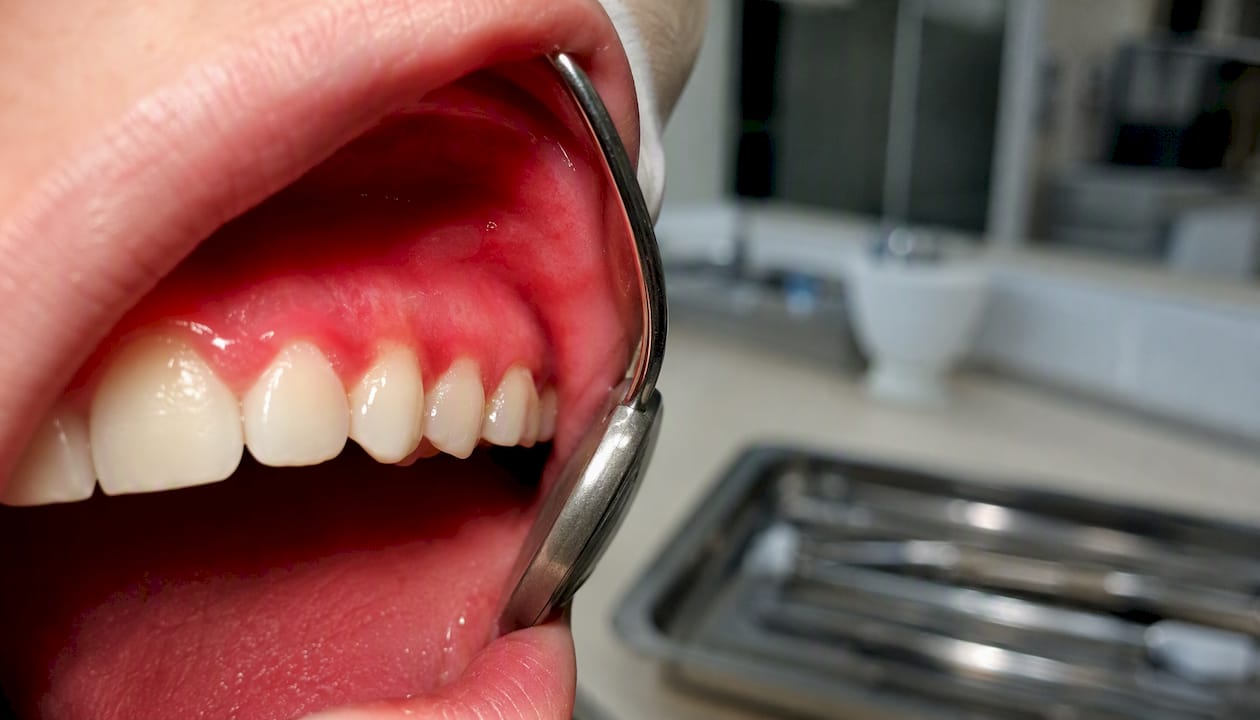
If gingivitis is left untreated, it can progress to periodontitis, a more serious infection that destroys the bone and connective tissue holding teeth in place. Periodontitis is often painless in its early and middle stages, which is exactly why so many people are surprised when a dentist finds significant damage. The Mayo Clinic notes that untreated gingivitis can advance to periodontitis with bone loss that may not be reversible. A tooth infection (abscess) or necrotizing ulcerative gingivitis (sometimes called trench mouth) can also cause localized bleeding, pain, and tissue destruction that requires urgent care. If you notice bleeding alongside swelling near a specific tooth, signs of a tooth infection should not be ignored.
Behavioral and mechanical causes
Sometimes the bleeding has nothing to do with disease. Aggressive brushing with a hard-bristle brush is a common culprit. The physical trauma tears delicate gum tissue and can cause recession over time. Starting a new flossing routine after a long gap often causes a few days of bleeding as the gums adapt, and that typically resolves within one to two weeks of consistent, gentle technique.
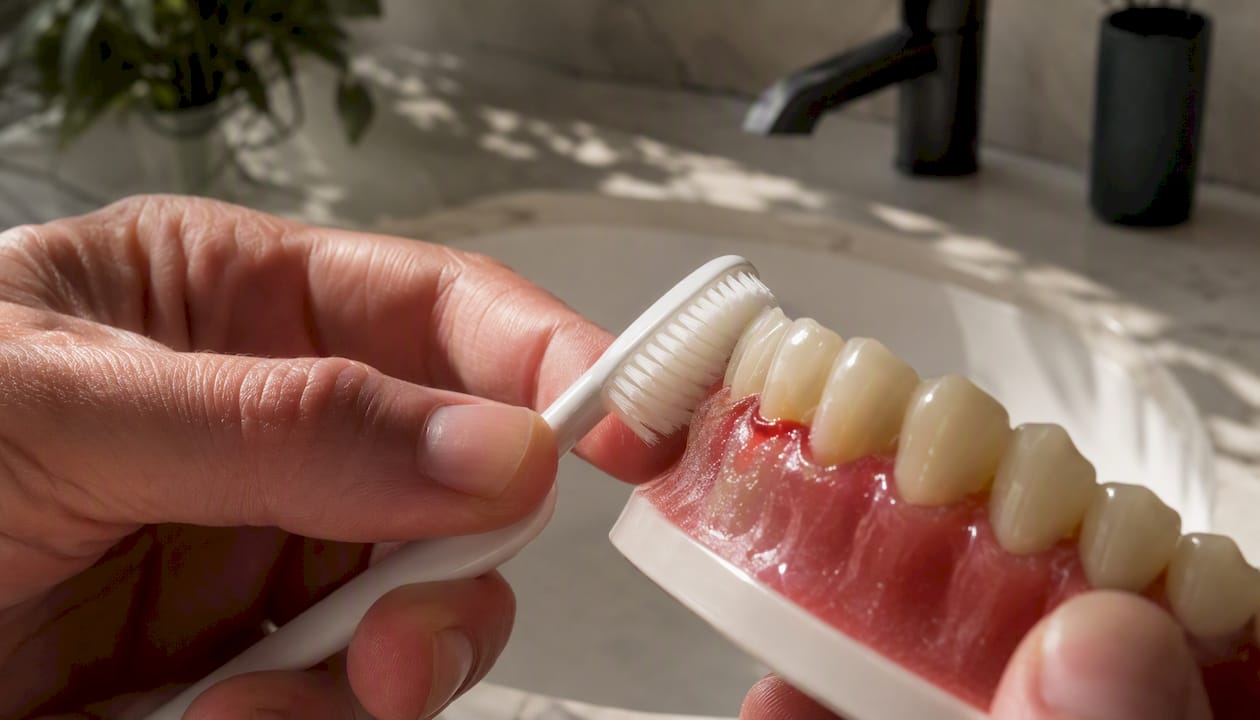
Other mechanical triggers include sharp food edges, toothpick injuries, and ill-fitting dentures or retainers that rub against the gum tissue. If you have a removable appliance that feels loose or creates a sore spot, that friction alone can cause localized bleeding.
Medications that affect gum bleeding
Several common medications increase bleeding risk or alter gum tissue directly:
- Anticoagulants (warfarin, rivaroxaban, apixaban) and antiplatelet drugs (aspirin, clopidogrel) reduce the blood’s ability to clot, so even minor gum inflammation bleeds more noticeably.
- Some anticonvulsants (phenytoin) and calcium channel blockers (amlodipine, nifedipine) can cause gingival overgrowth, making the gums thicker and harder to keep clean.
- Certain immunosuppressants can impair the body’s response to oral bacteria.
Pro Tip: Bring a complete medication list, including over-the-counter drugs and supplements, to every dental appointment. Your dentist needs this information to interpret your gum health accurately and to coordinate with your prescribing physician when needed.
Systemic causes: when the body is the source
MedlinePlus lists several systemic conditions that can cause or worsen gum bleeding, including bleeding disorders, hormonal changes, and nutritional deficiencies. Here is a closer look:
- Vitamin C deficiency (scurvy): Vitamin C is required for collagen synthesis. Without adequate levels, gum tissue becomes fragile and bleeds easily, even without significant plaque.
- Vitamin K deficiency: Vitamin K is essential for normal blood clotting. Low levels slow the clotting response and prolong bleeding.
- Diabetes: Poorly controlled blood sugar impairs immune function and circulation, making the gums more susceptible to infection and slower to heal.
- Blood disorders: Thrombocytopenia (low platelet count), hemophilia, and Von Willebrand disease all reduce clotting capacity and can present with gum bleeding as an early sign.
- Leukemia: Gum bleeding can be an early oral manifestation of leukemia due to platelet dysfunction and infiltration of gum tissue by abnormal cells.
- HIV/AIDS: Immune suppression increases susceptibility to aggressive forms of periodontal disease.
- Hormonal changes: Pregnancy, puberty, and menopause all alter gum tissue sensitivity. Pregnancy gingivitis, for example, is well recognized and typically improves after delivery with good oral hygiene.
Prevalence context: The ADA’s MouthHealthy resource confirms that gingivitis is common among U.S. adults and that periodontitis affects a substantial proportion of the adult population, making gum disease one of the most widespread oral health conditions in the country.
How does a dentist evaluate bleeding gums?
Knowing what to expect at an appointment makes the visit far less stressful. Here is the typical sequence a dentist follows when evaluating sensitive or bleeding gums:
- Visual examination: The dentist inspects the gums for redness, swelling, recession, and visible deposits of plaque or tartar.
- Periodontal probing: A thin, calibrated instrument measures the depth of the space between each tooth and the surrounding gum. Healthy pockets measure 1–3 mm; deeper readings indicate disease.
- Dental charting: Pocket depths, bleeding points, and recession measurements are recorded to track changes over time.
- Professional cleaning: Tartar that has hardened onto the tooth surface is removed by scaling. Home brushing cannot remove calculus, so this step is clinically necessary.
- Targeted X-rays: If bone loss is suspected based on probing depths or clinical signs, X-rays reveal how much supporting bone remains around the roots.
- Medical history and medication review: The dentist reviews your health history, current medications, and any recent changes to identify systemic contributors.
What to bring to your appointment:
- A complete list of medications and supplements.
- Recent lab results if you have a known blood disorder or are managing diabetes.
- A written timeline of when bleeding started and any other symptoms you have noticed.
- Any removable appliances (dentures, retainers) that may be contributing to irritation.
When the clinical picture suggests a blood disorder, uncontrolled systemic illness, or unexplained bruising alongside gum bleeding, your dentist will refer you to your primary care physician or a specialist for further evaluation. Oral health and general systemic health are closely connected, and a good dentist treats them that way.
How to treat bleeding gums: from home care to professional therapy
Stopping the bleeding at home right now
- Rinse your mouth gently with cool water to clear excess blood.
- Fold a piece of clean gauze (or a damp tea bag, which contains tannins that may help constrict blood vessels) and apply firm but gentle pressure directly to the bleeding area for five to ten minutes without lifting to check.
- Rinse with a warm salt water solution (about half a teaspoon of salt in eight ounces of warm water) to reduce bacterial load and soothe irritated tissue.
- Avoid smoking, alcohol, and hard or sharp foods for the rest of the day.
- Do not stop brushing and flossing. Resume gentle oral hygiene within a few hours. Skipping it allows more plaque to accumulate and prolongs inflammation.
- If you take NSAIDs (ibuprofen, naproxen) regularly, speak with your clinician before stopping them, as abrupt discontinuation can carry its own risks.
Professional treatment options
| Procedure | Purpose | Typical outcome and timeline |
|---|---|---|
| Professional prophylaxis (cleaning) | Removes plaque and tartar above the gum line | Reduced bleeding within days to a few weeks with consistent home care |
| Scaling and root planing | Deep cleaning below the gum line to remove tartar from root surfaces and smooth them | Significant reduction in pocket depth and inflammation over several weeks |
| Periodontal maintenance | Ongoing cleanings every 3–4 months to prevent recurrence after active therapy | Sustained stability; prevents progression to bone loss |
| Appliance adjustment | Refitting or replacing ill-fitting dentures or retainers | Immediate reduction in mechanical irritation |
| Periodontal surgery | Flap surgery or grafting for advanced bone or tissue loss | Halts progression; recovery varies by procedure |
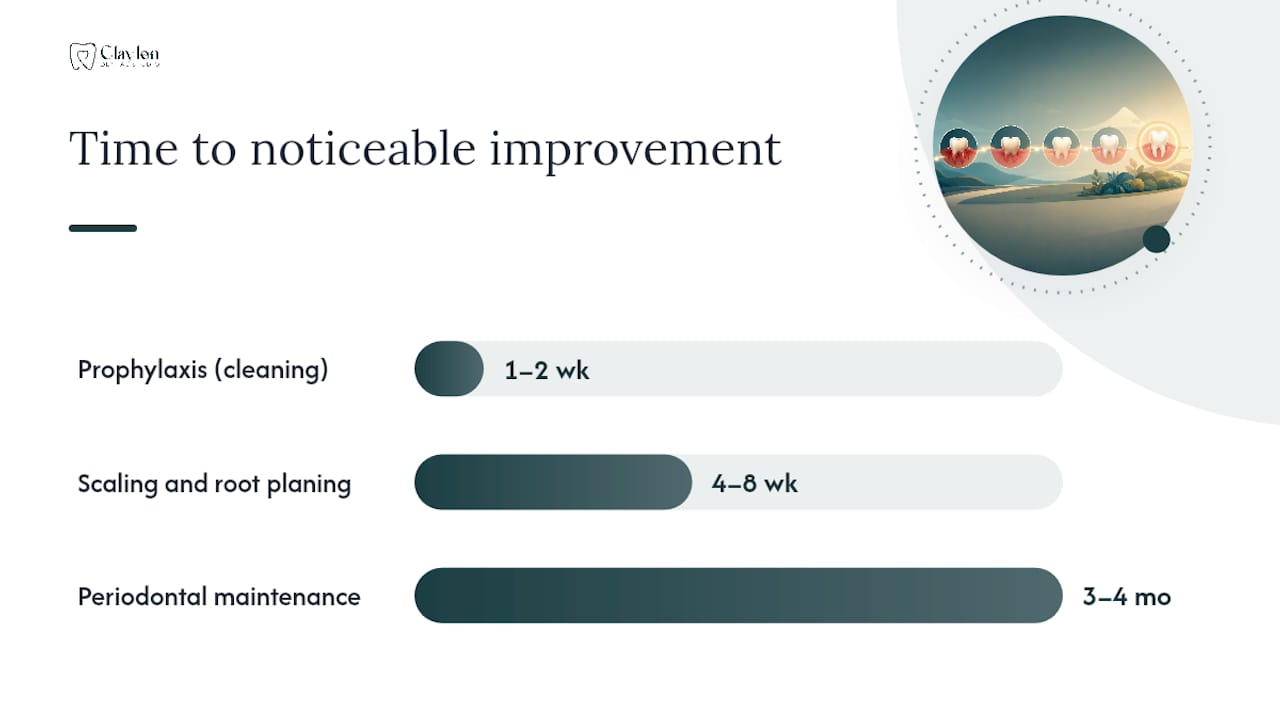
Most patients with early gingivitis notice a meaningful reduction in bleeding within one to two weeks of combining improved home care with a professional cleaning. Deeper disease treated with scaling and root planing typically shows measurable improvement in pocket depths and bleeding scores over four to eight weeks, though full tissue stabilization takes longer.
How to prevent bleeding gums long-term
Prevention is genuinely simpler than treatment, and the habits that protect your gums are the same ones that protect your teeth.
Daily hygiene essentials:
- Brush twice daily with a soft-bristle toothbrush using gentle, circular or angled strokes at the gum line. Hard-bristle brushes cause gum trauma and recession without cleaning any better.
- Floss or use interdental brushes once daily. If you find flossing difficult, a water flosser is a reasonable alternative for disrupting plaque between teeth.
- Use fluoride toothpaste to protect enamel while you clean.
Professional care:
- Schedule professional cleanings and checkups at least every six months, or more frequently if your dentist recommends it based on your periodontal status. Tartar cannot be removed at home, and professional dental hygiene services are the only way to reset the bacterial environment below the gum line.
Lifestyle and medical controls:
- Stop smoking. The NIDCR identifies smoking as a major risk factor that both accelerates disease and reduces how well treatment works. Quitting is one of the most impactful steps you can take for your gum health.
- Manage blood sugar if you have diabetes. Poorly controlled diabetes and gum disease reinforce each other in a cycle that is hard to break without addressing both.
- Eat a diet with adequate vitamin C (citrus, bell peppers, broccoli) and vitamin K (leafy greens) to support tissue integrity and clotting.
- Review your medications with your prescribing clinician if you suspect they are contributing to bleeding. Never stop a prescribed medication without guidance.
Pro Tip: Electric toothbrushes, particularly oscillating-rotating models, tend to remove plaque more effectively for patients who struggle with manual technique. Pair one with interdental brushes in any gaps wider than a standard floss thread can reach, and you have a solid daily routine that covers most of the bases.
Quick prevention checklist:
- Soft-bristle or electric toothbrush, twice daily
- Daily interdental cleaning (floss, interdental brush, or water flosser)
- Fluoride toothpaste
- Professional cleaning every 6 months (or as advised)
- No smoking
- Blood sugar management if diabetic
- Adequate vitamin C and K in your diet
- Medication review with your clinician if bleeding is unexplained
For families looking at broader prevention habits, the Common Family Dental Problems guide offers a useful overview of how these principles apply across different ages.
When should you see a dentist or doctor?
Not every episode of gum bleeding is an emergency, but some situations genuinely cannot wait.
Schedule a routine dental visit if:
- Bleeding occurs consistently when you brush or floss and has been present for more than two weeks despite improved home care.
- Your gums look red, swollen, or have pulled away from your teeth.
- You notice persistent bad breath that does not resolve with brushing.
Call your dentist promptly (within a day or two) if:
- You see swelling, pus, or feel a painful lump near a tooth.
- A tooth feels loose or has shifted position.
- Bleeding is heavy or takes more than 15–20 minutes to stop with pressure.
Go to an emergency department or call your physician if:
- You have unexplained bruising elsewhere on your body alongside gum bleeding.
- You develop a fever, difficulty swallowing, or swelling that extends toward your jaw or neck.
- You are on anticoagulant therapy and cannot control the bleeding.
- You have systemic symptoms that suggest a blood disorder or serious illness.
The Cleveland Clinic recommends consulting a dental professional for persistent bleeding or any additional concerning symptoms, and that guidance holds whether the cause turns out to be local or systemic.
What happens if bleeding gums go untreated?
Gingivitis is reversible. Periodontitis often is not, at least not completely. That distinction matters in a very practical way: the window for a simple cleaning and better home care is real, but it closes as disease advances.
Local progression:
- Untreated gingivitis deepens into periodontitis, with pockets forming between the teeth and gums that harbor bacteria beyond the reach of a toothbrush.
- Bone loss follows, reducing the support structure around each tooth.
- Teeth become mobile and may eventually need extraction, contributing to missing teeth and the cascade of problems that follow.
- Abscesses, receding gums, exposed root surfaces, and increased sensitivity are all common consequences.
Systemic considerations: Research has identified associations between chronic periodontal inflammation and systemic conditions including cardiovascular disease and diabetes. The evidence for these links is still evolving, and the relationship is likely bidirectional rather than a simple cause-and-effect. What is clear is that chronic oral infection creates a persistent inflammatory burden on the body, and managing it is part of managing overall health. The NIDCR and other authoritative bodies continue to study these connections.
Why painless disease is the most dangerous kind
I’m Dr. Navneet Kamboj, DDS, and I’ve been practicing dentistry in the greater Houston area for nearly a decade. One pattern I see regularly at Clayton Dental Studio is patients who come in for a routine cleaning and are genuinely surprised to learn they have moderate periodontitis. They had no pain. No obvious symptoms. Just a little bleeding now and then that they assumed was normal.
The absence of pain is not reassurance. It is a clinical reality that makes regular checkups non-negotiable. Periodontal probing is the only reliable way to measure pocket depths and catch bone loss before it becomes irreversible. By the time a patient feels significant pain or notices a loose tooth, the disease has usually been active for months or years.
What I tell patients: early intervention is almost always simpler, less expensive, and more successful than treating advanced disease. A scaling and root planing procedure done at the right time can stabilize the situation and prevent tooth loss. Waiting turns a manageable problem into a surgical one.
Pro Tip: When you come in for an evaluation, bring your medication list and a written note of when the bleeding started and any other symptoms you have noticed. That information cuts the diagnostic time significantly and helps us get to the right treatment faster.
Gum health is something we take seriously at Clayton Dental Studio
At Clayton Dental Studio, we believe that catching gum disease early is one of the most important things we can do for a patient’s long-term health. If you have been noticing bleeding when you brush, or if it has been a while since your last professional cleaning, the right move is a thorough evaluation, not a wait-and-see approach.

Our team in Humble, TX offers comprehensive gum health services, including professional cleanings, scaling and root planing, periodontal maintenance, and appliance adjustments. We also review your medical history and medications as part of every exam, because we know that what happens in your mouth does not stay there. If your bleeding gums turn out to have a systemic cause, we will coordinate with your physician to make sure you get the right care from the right provider.
Ready to get answers and feel confident about your gum health? Book an appointment with Clayton Dental Studio in Humble, TX, and let’s take a close look together.
Sources
These vetted sources provide primary-level detail on gum disease causes, diagnosis, and treatment. Printing relevant pages and bringing them to your appointment can help your clinician understand your concerns quickly.
- Bleeding gums: MedlinePlus Medical Encyclopedia
- Bleeding Gums: Causes & Treatment
- Periodontal (Gum) Disease | NIDCR
- Periodontal (Gum) Disease | CDC
- Periodontitis - Mayo Clinic
- Gum Disease - Periodontal Disease | MouthHealthy (ADA)
This article provides general health information and is not a substitute for professional dental or medical advice. Consult your dentist or physician to confirm the cause of your symptoms and to discuss treatment options appropriate for your situation.
Recommended
Ready to Schedule Your Appointment?
Dr. Kamboj and the Clayton Dental Studio team are here to help. Call us or book online today.