
Clinician-led patient guide to same day crowns: what to expect in a 2–3 hour visit, evidence on materials and a clear costs and insurance checklist.
Patients: Evidence and Cost Checklist Before a Same Day Crown

Yes, many dental offices using chairside CAD/CAM technology, often called CEREC, can design and place a permanent crown in one visit for appropriately selected teeth. Whether this applies to you depends on a clinical exam: active infection, limited remaining tooth structure, or complex multi-unit cases may need lab work or a staged treatment plan instead.
TL;DR:
- A single tooth with adequate structure, healthy gums, and no active infection may qualify; root canals, cracks, and bridges may need staged or lab treatment.
- The appointment usually lasts two to three hours; ask to review the digital design before milling, when bite and shape changes are easier to make.
- A review of 13 studies and 1,598 restorations, followed for an average of 3.6 years, found comparable performance, with a significant difference in esthetic complications.
- Lithium disilicate suits visible teeth because it is more translucent, while monolithic zirconia is stronger for back teeth exposed to heavier bite forces.
- Request a written estimate before treatment; material choice, extra procedures, network status, deductibles, and prior authorization all affect your final cost.
Table of Contents
- What same-day crowns are and how they differ from traditional crowns
- How same-day CEREC and CAD/CAM crowns work
- Who is a good candidate for a same-day crown
- What to expect during a same-day crown appointment
- Same-day crowns compared with traditional lab crowns
- What the evidence says about materials and longevity
- Cost and insurance questions worth asking before treatment
- Recovery, sensitivity, and aftercare in the first days
- Why trust this guidance
- A clinician’s take on choosing same-day versus lab-made crowns
- Same-day crowns at Clayton Dental Studio
- FAQ
- Sources
What same-day crowns are and how they differ from traditional crowns
A crown restores a damaged tooth’s shape, protecting it from further breakdown and restoring normal chewing function. According to MouthHealthy from the ADA, crowns are commonly used for large fillings, broken teeth, attaching bridges, or covering dental implants. The real difference between same-day and traditional crowns is not what the crown does, but how and where it gets made.
A traditional crown involves taking an impression, sending it to an outside lab, and wearing a temporary crown for one to two weeks while the permanent one is fabricated. A same-day crown skips that wait: we scan your tooth digitally, design the crown chairside, and mill it in the office the same day you walk in.
A few terms are worth knowing before your visit:
- CEREC: the brand name most people use for chairside CAD/CAM crown systems.
- CAD/CAM: the computer-aided design and manufacturing process that turns a digital scan into a milled crown.
- Intraoral scanner: a small wand that captures a 3D digital image of your tooth, replacing the traditional impression tray.
- Milling unit: the in-office machine that carves the crown from a solid ceramic block.
- Temporary crown: the placeholder restoration traditional workflows require while a lab builds the permanent one, and the step same-day crowns remove entirely.
How same-day CEREC and CAD/CAM crowns work
The chairside workflow moves through a handful of distinct stages, and each one has a built-in check for quality before moving to the next.
- Digital scan: After the tooth is prepared, we capture a 3D image with an intraoral scanner. This step matters because scan accuracy affects how well the final crown seats and bites.
- Digital design: Software builds a virtual crown, and we review the margins, the contact points with neighboring teeth, and how the bite will close before sending the design to the mill.
- Milling: A solid block of ceramic, usually lithium disilicate or monolithic zirconia, is carved into the crown’s exact shape inside a small in-office milling unit.
- Finishing and try-in: The milled crown is polished, sometimes stained to match surrounding teeth, then tried in your mouth so we can check fit and occlusion directly.
- Bonding: Once everything checks out, the crown is cemented permanently.
Each step typically takes 10 to 20 minutes, and the whole process usually fits into a single two-to-three-hour appointment. If a scan reveals more decay than expected, or the bite needs significant rework, the visit can shift from “one and done” to a staged plan without ending the appointment on a bad note.
Pro Tip: Ask your dentist to show you the digital design on screen before milling begins, since small bite or shape corrections are far easier to make at that stage than after the crown is milled.
Who is a good candidate for a same-day crown
Same-day crowns work best for straightforward, single-tooth situations. Good candidates typically have adequate remaining tooth structure, no active infection, and a bite that does not require complex multi-tooth coordination.
- Good fit: a single tooth needing restoration after a large filling, fracture, or wear, with healthy surrounding gum tissue.
- Not a fit yet: a tooth that still needs a root canal, since MouthHealthy’s root canal guidance notes that a temporary filling is typically placed first and the permanent crown follows at a later visit.
- Not a fit yet: teeth with too little remaining structure to support a milled crown without additional buildup work.
- Often better suited to lab fabrication: multi-unit bridges or cases demanding intricate esthetic layering that chairside materials cannot replicate as precisely.
We rely on x-rays and a periodontal evaluation to catch borderline cases, like a tooth with a deep crack that looks straightforward until imaging shows it reaching below the gumline.
What to expect during a same-day crown appointment
Knowing the logistics ahead of time makes the visit feel far less uncertain.
Before you come in, bring your insurance card, any recent x-rays from another office, and a list of current medications. If you want a cost estimate in writing, ask for one before treatment begins rather than after.
- Exam and anesthesia: We confirm the tooth needs a crown and numb the area.
- Preparation and scan: The damaged or decayed portion is removed, and the tooth is reshaped to accept the crown before scanning.
- Design: The crown is designed on screen while you wait, often in a nearby chair or the same one.
- Milling: The in-office mill carves the crown, typically while you have a short break.
- Try-in and adjustment: We check fit, contacts, and bite, making small adjustments as needed.
- Cementation: The finished crown is bonded permanently.
Most same-day crown appointments run two to three hours total. If the exam reveals a need for a root canal or additional structural work, we will explain the contingency plan and reschedule the crown portion rather than rush a restoration that will not last.
Same-day crowns compared with traditional lab crowns
The appeal of a same-day crown is immediacy: no temporary crown, no second visit, and a chance to see and adjust the esthetics chairside before the tooth is permanently restored.
- Fewer visits: one appointment replaces the typical two-visit, two-to-three-week traditional timeline.
- No temporary crown: you skip the discomfort and occasional mishaps, like a temporary coming loose, that come with wearing a placeholder restoration.
- Faster return to normal function: you leave with a finished crown rather than a provisional one.
- Trade-off: lab technicians working with traditional crowns can sometimes achieve finer esthetic layering for highly visible front teeth or multi-unit cases.
A systematic review and meta-analysis covering 13 studies and 1,598 restorations in 1,161 patients, with an average follow-up of 3.6 years, found broadly comparable clinical performance between CAD/CAM and conventionally made crowns, with a statistically significant difference specifically in esthetic complications. That finding lines up with what we see clinically: material and case selection explain much more of the variation than whether a crown was milled chairside or made in a lab. For a closer look at how the two approaches stack up, our CEREC vs lab crown comparison breaks down the practical differences further.
What the evidence says about materials and longevity

Same-day crowns are most often milled from lithium disilicate, a glass-ceramic valued for its translucency and esthetic match to natural teeth, or monolithic zirconia, which trades some translucency for added strength in back teeth under heavy bite force. Our breakdown of the best material for dental crowns covers how we match material to tooth location and patient needs.
The same systematic review and meta-analysis found survival rates broadly comparable between CAD/CAM and conventionally fabricated crowns across the pooled studies, though esthetic complications showed a statistically significant difference, and outcomes varied depending on material and restoration type.
Manufacturing method is only one part of the result. Material, restoration type, tooth location, clinical technique, and case selection all influence how a crown performs over time.
Survival statistics describe populations, not individual teeth. When you talk with your dentist about which material fits your case, ask how your specific tooth location, bite force, and esthetic priorities factor into the recommendation, rather than relying on survival percentages alone.
Cost and insurance questions worth asking before treatment
Cost depends far more on the overall treatment plan than on whether a crown is made same-day or in a lab. According to Delta Dental’s cost guidance, material choice, the need for a buildup or root canal, and insurance specifics typically affect your out-of-pocket cost more than the same-day label itself.
- Material choice: lithium disilicate and zirconia carry different costs depending on lab or milling fees.
- Additional procedures: a buildup or root canal before the crown adds to the total.
- Insurance variables: network status, remaining deductible, and whether prior authorization is required all shift the final bill.
Pro Tip: Before you commit to treatment, ask for a written estimate, a clear explanation of material options, and the office’s remake or warranty policy if the crown needs adjustment later.
Our guide to dental crown cost in Houston and our overview of dental insurance alternatives can help you prepare questions for your own coverage situation.
Recovery, sensitivity, and aftercare in the first days
Mild soreness around the gumline and some bite awareness are common for the first day or two, and transient sensitivity to hot or cold often fades within one to two weeks as the tooth settles.
- Oral hygiene: brush and floss normally, being gentle directly around the new crown for the first few days.
- Food choices: avoid very hard or sticky foods on that side until any soreness resolves.
- Sensitivity management: a sensitivity toothpaste usually helps; call us if sharp pain lingers beyond two weeks.
- Bite checks: if the crown feels high or your bite feels off, a quick adjustment visit resolves it in minutes.
If a crown ever feels loose or chips, our guide on broken crowns walks through next steps and when to call.
Why trust this guidance
This guidance comes from Dr. Navneet Kamboj, DDS, who earned her degree from the University at Buffalo and completed a restorative preceptorship at UCLA before building nearly a decade of clinical experience. Clayton Dental Studio’s in-office CEREC and CAD/CAM workflows support same-day restorative care alongside our broader general dentistry services.
A clinician’s take on choosing same-day versus lab-made crowns
My rule is simple: choose whichever workflow best protects the tooth long-term, not whichever is faster. A clean single-tooth molar restoration is often an easy same-day case, while a front tooth needing precise shade layering may be better served by a lab.
— Clayton Dental Studio
Same-day crowns at Clayton Dental Studio
We offer CEREC same-day crowns, built on the same philosophy that guides every treatment plan here: protect the tooth first, and make the process as comfortable and efficient as possible. If a same-day crown looks like a fit for your situation, we welcome you to book a consultation or request a written estimate before deciding on treatment.
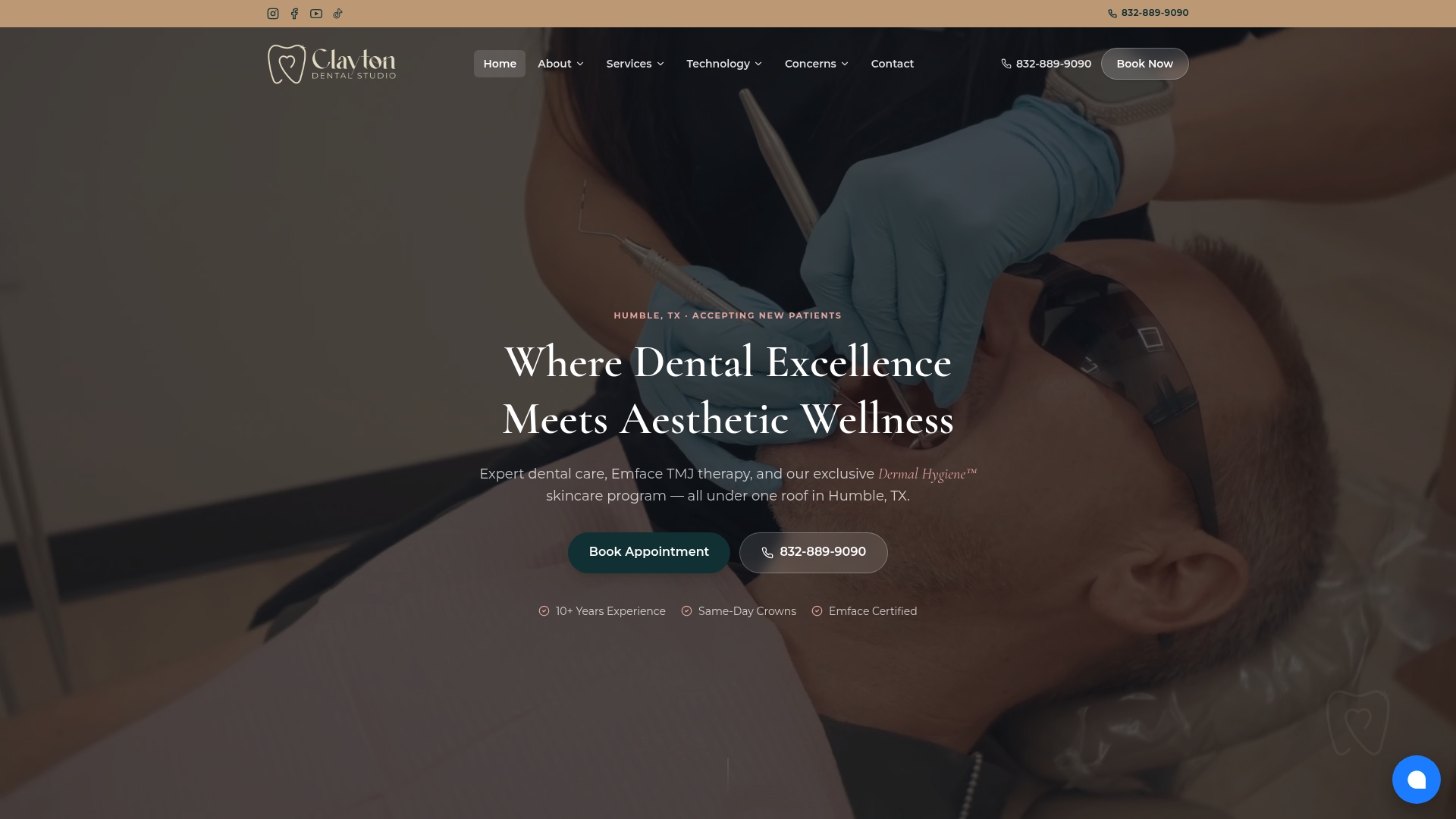
To prepare, bring your insurance card and any recent x-rays if you have them. Here is what a typical same-day crown visit involves on our end:
- Digital scan and design review with you in the chair.
- In-office milling while you wait, typically within the same appointment.
- A try-in and bite check before anything is permanently bonded.
| What you get | Details |
|---|---|
| Visit structure | Single appointment, typically 2 to 3 hours |
| Materials offered | Lithium disilicate, monolithic zirconia |
| Payment support | Insurance billing and financing options are available |
Our team can also walk you through financing if your coverage does not fully apply. Visit our same-day crowns page to see current availability and request your appointment.
This article is general information, not a substitute for advice from a qualified doctor. Consult a qualified healthcare professional about your own circumstances before acting on anything here.
FAQ
Can you get a permanent crown in one day?
Yes, chairside CAD/CAM systems like CEREC allow many patients to receive a permanent crown in a single visit. Eligibility depends on a clinical exam, since active infection or limited tooth structure may require a staged approach instead.
Do dentists or endodontists do crowns?
General dentists routinely place crowns, including same-day crowns, as part of restorative care. An endodontist may become involved first if a root canal is needed, after which the crown itself is typically placed by your general dentist, per MouthHealthy’s root canal guidance.
How painful is getting a temporary crown?
Temporary crowns are generally not painful, though you may notice mild sensitivity or a slightly different bite while wearing one. Same-day crowns avoid this step entirely since the permanent crown is placed in the same visit.
Which type of tooth crown is best?
There is no single best material for every tooth. Lithium disilicate tends to offer better esthetics for visible front teeth, while monolithic zirconia tends to hold up well under heavier bite forces in back teeth, and the right choice depends on the tooth’s location and your priorities.
Sources
- Clinical Outcomes of CAD/CAM (Lithium disilicate and Zirconia) Based and Conventional Full Crowns and Fixed Partial Dentures: A Systematic Review and Meta-Analysis
- Crowns | MouthHealthy - Oral Health Information from the ADA
- Dental crown costs and insurance: What you need to know
Recommended
Ready to Schedule Your Appointment?
Dr. Kamboj and the Clayton Dental Studio team are here to help. Call us or book online today.