Discover how smoking affects dental implant success and learn essential tips to improve your chances of a successful procedure.
Smoking and Dental Implants: What Every Patient Should Know
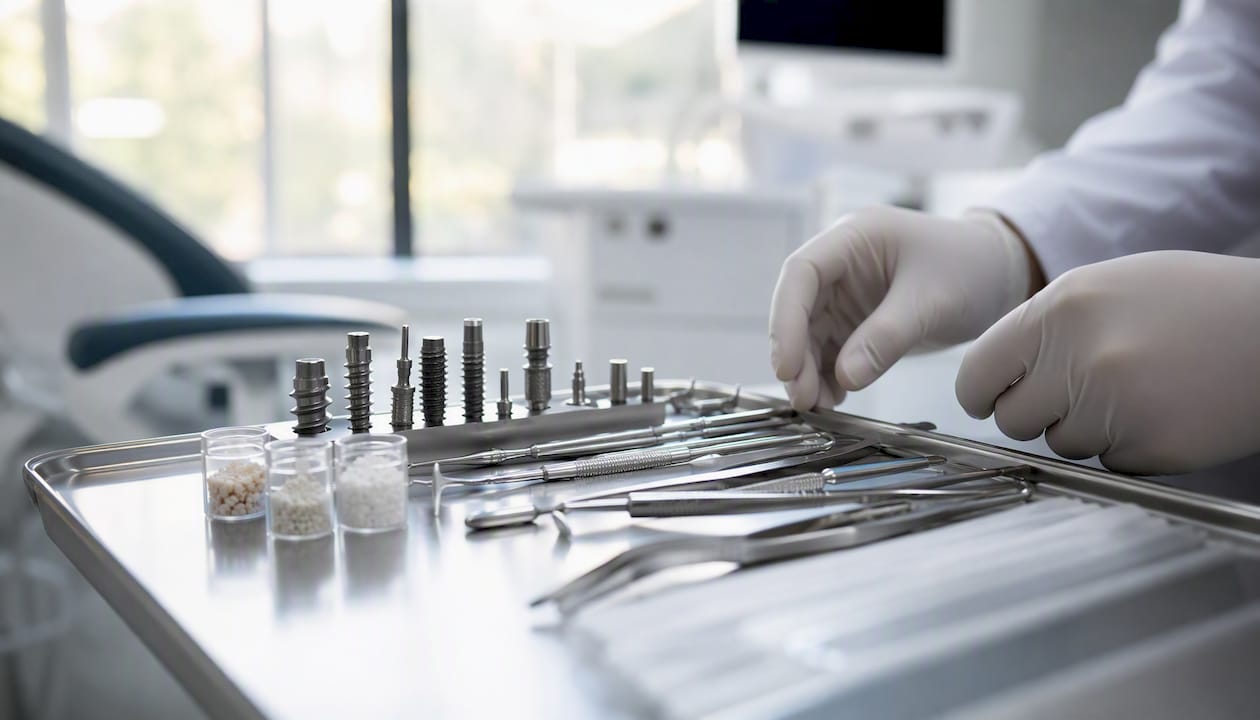
Smoking raises your risk of dental implant failure by more than double. A large systematic review and meta-analysis found that implants placed in smokers carried a 140.2% higher risk of failure compared to non-smokers, with an odds ratio of 2.402. That number is striking, but it is not a reason to give up on implants. It is a reason to plan carefully.
If you smoke or vape, here is what to do before your appointment:
- Tell your dentist the full picture. How many cigarettes, how often you vape, and for how long. Honest disclosure shapes your entire treatment plan.
- Start a cessation or reduction plan now. Even cutting back before surgery lowers your perioperative risk.
- Avoid all smoking and vaping for at least 72 hours before and after your procedure, and ideally for several weeks around the surgery date.
Smoking is not an automatic disqualifier for implants. But it does change the conversation, the timeline, and the level of monitoring you will need.
Key Takeaways
Smoking roughly doubles your risk of dental implant failure, and the evidence is consistent enough across dozens of studies that every smoker considering implants needs a tailored clinical plan.
| Point | Details |
|---|---|
| Smoking doubles failure risk | Meta-analysis data shows a 140.2% higher failure risk (OR 2.402) for smokers vs. non-smokers. |
| Vaping also harms peri-implant tissue | E-cigarette users show a mean marginal bone loss difference of 0.89 mm compared to never-smokers. |
| Quitting before surgery improves outcomes | Longer pre-op cessation is associated with lower complication rates and better osseointegration. |
| Reduction helps when quitting isn’t immediate | Fewer cigarettes per day lowers risk; strict perioperative care and frequent follow-up are non-negotiable. |
| Clayton Dental Studio offers a tailored plan | Comprehensive implant evaluation, CBCT imaging, and cessation coordination are available in Humble, TX. |
Table of Contents
- How smoking biologically interferes with implant healing
- What the research actually shows about failure rates and bone loss
- Do e-cigarettes, vaping, or smokeless tobacco carry the same risks?
- Can you still get dental implants if you smoke?
- When is it safe to smoke after implant surgery?
- How quitting before surgery improves your outcomes
- If quitting isn’t possible right now: steps to lower your risk
- Our perspective at Clayton Dental Studio
- Ready to talk through your implant options at Clayton Dental Studio?
- Sources
How smoking biologically interferes with implant healing
Nicotine and combustion byproducts attack the healing process from several angles at once. The core problem is that your body needs robust blood flow and active bone-forming cells to fuse an implant to your jaw, and smoking compromises both.
- Vasoconstriction and reduced oxygen delivery. Nicotine causes blood vessels to narrow, cutting the oxygen supply to healing tissues. Bone cells and soft tissue both need oxygen to regenerate, and a reduced supply slows or stalls that process.
- Impaired osteoblast activity. Osteoblasts are the cells responsible for building new bone around the implant, a process called osseointegration. Nicotine and carbon monoxide from cigarette smoke reduce osteoblast function, meaning the implant does not bond to the jaw as reliably.
- Heightened inflammation and infection risk. Smoking alters the immune response, making it harder for your body to fight off bacteria around the implant site. The CDC links tobacco use directly to periodontal disease, and that same inflammatory pathway drives peri-implant disease.
- Disrupted oral microbiome. Smoking shifts the balance of bacteria in your mouth toward more harmful, anaerobic species that thrive in low-oxygen environments, exactly the conditions smoking creates.
It is worth separating nicotine itself from the other toxins in cigarette smoke. Nicotine drives vasoconstriction and impairs bone cells. Carbon monoxide reduces oxygen-carrying capacity. Particulates and chemical irritants fuel inflammation. E-cigarettes deliver nicotine and aerosol toxicants without combustion, but the biological pathways that harm healing remain active.
Pro Tip: In the weeks before your implant surgery, focus on two things you can control right now: a thorough oral hygiene routine (brushing twice daily, flossing, and using an antimicrobial rinse) and a diet rich in calcium and vitamin D to support bone health. These steps will not cancel out smoking’s effects, but they give your body the best possible starting point.
What the research actually shows about failure rates and bone loss
The evidence across multiple systematic reviews is consistent: smokers face meaningfully higher implant failure rates and greater bone loss around implants than non-smokers.
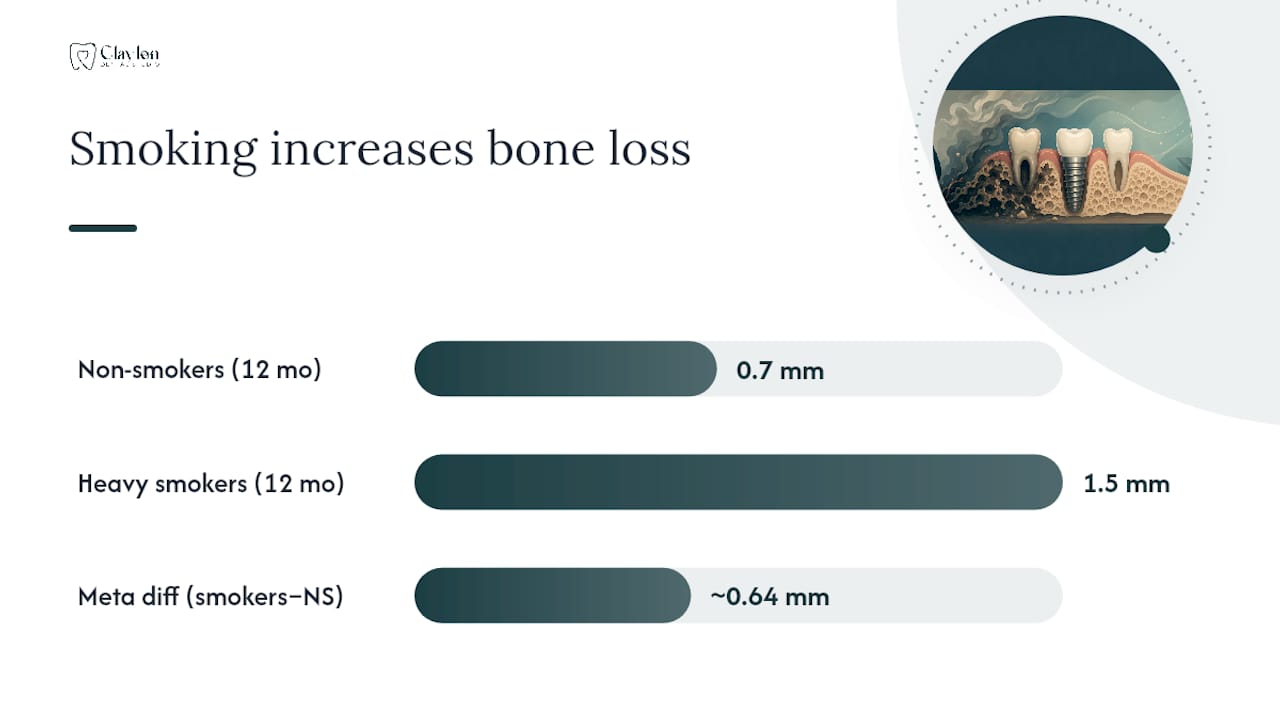
A comprehensive systematic review found that cigarette smokers had significantly reduced implant survival, with an implant-level odds ratio of 0.40 (95% CI: 0.27–0.61) and a patient-level odds ratio of 0.43. Crestal bone loss in smokers averaged approximately 0.64 mm more than in non-smokers. A separate literature update covering 2020–2024 reviewed 33 studies involving 29,519 implants and found that 25 of those 33 studies reported increased failure rates in smokers, with a clear dose-response pattern: the more cigarettes per day, the higher the failure risk.
The dose-response relationship matters. Heavy smokers, defined in one prospective cohort study as those smoking more than one pack daily, showed a one-year implant survival rate of 84.6% versus 94.4% in non-smokers. Marginal bone loss in that same cohort reached 1.5 mm in heavy smokers compared to 0.7 mm in non-smokers at 12 months (p = 0.008). That gap in bone loss is clinically significant because bone supports the long-term stability of the implant.
| Measure | Smokers | Non-Smokers / Reference | Source |
|---|---|---|---|
| Relative failure risk | 140.2% higher (OR 2.402) | Reference | MDPI Meta-Analysis |
| Implant survival (heavy smokers, 1 yr) | 84.6% | 94.4% | PMC Cohort Study |
| Marginal bone loss difference | ~0.58–0.64 mm more | Reference | MDPI / PMC12975700 |
| Heavy-smoker MBL at 12 months | 1.5 mm | 0.7 mm | PMC Cohort Study |
One honest caveat: study designs vary in follow-up length, implant type, and how smoking was measured. The direction of the evidence is clear, but the exact numbers shift depending on the population studied.
Do e-cigarettes, vaping, or smokeless tobacco carry the same risks?
The short answer is no, they are not the same as cigarettes, but they are not safe for implants either.
A systematic review and meta-analysis on e-cigarette use found that e-cigarette users had worse peri-implant parameters than never-smokers across multiple outcomes. A separate analysis reported a mean marginal bone loss difference of 0.89 mm (95% CI: 0.67–1.11) in e-cigarette users compared to non-users, along with elevated inflammatory markers including IL-1β and TNF-α. Those cytokines signal active tissue inflammation, which is exactly what you do not want around a healing implant.
- E-cigarettes and vaping: Measurable harm to peri-implant bone and soft tissue. The aerosol contains nicotine, heavy metals, and flavorant compounds that impair bone-forming cells and promote inflammation.
- Waterpipe (hookah): Produces combustion byproducts similar to cigarettes, often with longer session durations. Biological plausibility for harm is high, though dedicated implant studies are limited.
- Smokeless tobacco: Nicotine delivery is sustained and high. Evidence specific to implants is limited, but nicotine’s effects on vasoconstriction and bone cells apply regardless of delivery method.
- Heated tobacco products: Fewer combustion toxins than cigarettes, but nicotine and aerosol components remain. Implant-specific data is sparse.
The practical takeaway for perioperative planning: treat vaping and e-cigarette use the same as cigarette smoking unless your clinician advises otherwise. The bone-loss data for e-cigarettes is close enough to cigarette data that a different standard is not yet justified by the evidence.
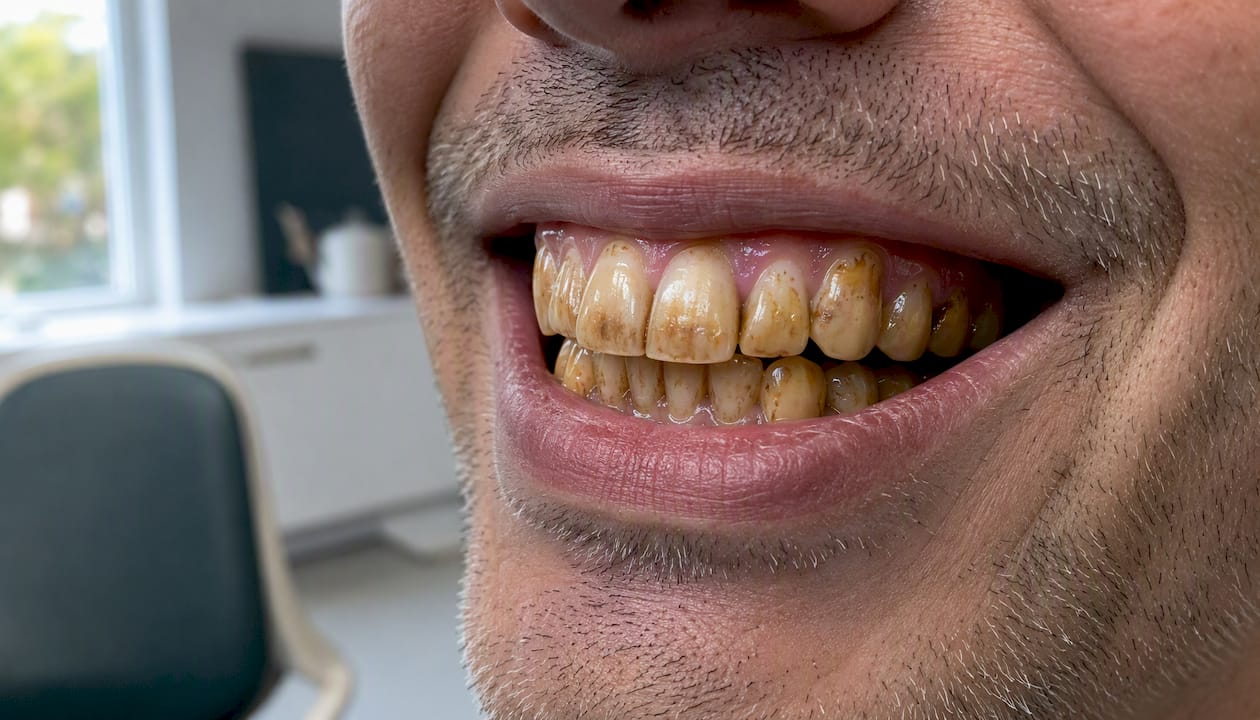
Nicotine staining from vaping is also a real cosmetic concern. If you are dealing with discoloration alongside your implant planning, resources on brightening teeth after vaping can help you address the aesthetic side while you work on the clinical one.
Can you still get dental implants if you smoke?
Yes, smoking is not an absolute contraindication for dental implants. What it does is raise your risk profile and require a more thorough evaluation and a more carefully managed treatment plan.
A NIH clinical review concluded that smoking increases implant failure risk and peri-implant disease but should not automatically exclude patients. Instead, clinicians are advised to integrate smoking cessation counseling into the treatment plan and adjust their approach based on individual risk.
What your dentist will evaluate:
- Smoking history in pack-years (packs per day multiplied by years smoked)
- Cotinine testing, a urine or saliva test that measures actual nicotine exposure, used when objective risk stratification is needed
- Periodontal status, including probing depths and bone levels on existing teeth
- Bone volume and density at the implant site, typically assessed with CBCT imaging
- Systemic health factors that compound risk, particularly diabetes and medications that affect bone metabolism
Clinical management options for smokers:
- A staged treatment approach, placing the implant and waiting longer before loading it with a crown
- Bone grafting when volume is insufficient, though graft success is also affected by smoking
- Implant surfaces with enhanced osseointegration properties, which some clinicians prefer for higher-risk patients
- More frequent post-operative monitoring appointments
- Tighter long-term maintenance intervals to catch peri-implantitis early
If bone volume is a concern, mini dental implants may be worth discussing as an alternative in specific clinical situations.
Pro Tip: Before your consultation, write down your exact daily smoking or vaping habits, including how long you have smoked, how many cigarettes or vaping sessions per day, and any previous quit attempts. Your dentist cannot tailor your plan without this information, and objective cotinine testing may be suggested to confirm your nicotine exposure level.
When is it safe to smoke after implant surgery?
The honest answer is that there is no truly “safe” window to smoke during active healing. But there are critical periods where the risk is highest, and staying smoke-free during those windows makes a real difference.
The perioperative timeline:
- First 72 hours: The blood clot that forms at the implant site is fragile. Smoking disrupts clot stability through suction pressure and vasoconstriction, increasing the risk of dry socket and infection. This is the highest-risk window.
- Days 3–14: Soft tissue healing is underway. Smoking slows this process and raises infection risk. Most clinicians recommend staying smoke-free through at least the first two weeks.
- Months 1–4 (osseointegration): The implant is fusing to the jawbone. This is when the long-term success of the implant is determined. Smoking during this phase impairs bone formation and increases the chance the implant will not integrate properly.
- After crown placement and beyond: Long-term smoking continues to accelerate marginal bone loss and raises the risk of peri-implantitis, the implant equivalent of gum disease.
Perioperative checklist:
- Stop smoking and vaping at least 1–2 weeks before surgery if possible, ideally longer.
- Avoid all smoking and vaping for the first 72 hours post-surgery, at minimum.
- Stay smoke-free for the full soft-tissue healing period (approximately 2 weeks).
- Aim for complete cessation through the osseointegration phase (3–4 months).
- Before crown loading, confirm with your dentist that healing is on track.
- Commit to a long-term maintenance schedule to monitor bone levels.
Even occasional smoking in the early post-op window carries real risk. One cigarette causes vasoconstriction that can last 30–60 minutes, enough to meaningfully reduce blood flow to a healing implant site.
How quitting before surgery improves your outcomes
Quitting before implant surgery reduces your complication risk and supports better osseointegration. The longer you stay smoke-free before the procedure, the greater the benefit.
Former smokers consistently show lower rates of peri-implant disease than current smokers in the research literature. The 2020–2024 literature review noted that the dose-response relationship works in both directions: reducing daily cigarette consumption lowers risk, and years of cessation are associated with progressively better outcomes.
A practical cessation plan for implant patients:
- Set a quit date at least 4–8 weeks before your scheduled surgery. Give yourself enough time to stabilize before the procedure.
- Talk to your primary care provider or dentist about nicotine replacement therapy (NRT) options: patches, gum, lozenges, or prescription medications like varenicline (Chantix) or bupropion.
- Combine NRT with behavioral support. The American Cancer Society’s Quitline (1-800-QUIT-NOW) and the Smokefree.gov program offer free coaching.
- Schedule a pre-op cotinine test if your dentist recommends it, to confirm your nicotine levels before surgery.
- Maintain strict oral hygiene throughout the cessation period: brush twice daily, floss, and use an antimicrobial rinse.
- Plan your post-op support before surgery, not after. Identify who will help you stay smoke-free during recovery.
Pro Tip: Nicotine replacement therapy is generally preferable to continued smoking during the perioperative period because it delivers nicotine without combustion toxins. That said, nicotine itself still causes vasoconstriction, so coordinate the timing and dosage of NRT with your dental and cessation clinician. The goal is to avoid combustion products while managing withdrawal in a way that does not compromise your healing.
If quitting isn’t possible right now: steps to lower your risk
Reduction strategies lower but do not eliminate risk. If you cannot stop smoking before your procedure, a structured harm-reduction approach combined with strict perioperative care is the next best option.
- Reduce your daily cigarette count as much as possible. The dose-response relationship documented across multiple studies means fewer cigarettes per day translates to measurably lower failure risk.
- Observe the 72-hour minimum smoke-free window around surgery, and extend it as long as you can manage.
- Commit to a rigorous oral hygiene routine: brush after every meal, floss daily, and use a chlorhexidine rinse as directed by your dentist.
- Attend every follow-up appointment. Smokers need more frequent monitoring because peri-implantitis can develop and progress faster. Early detection is the difference between a manageable problem and implant loss.
- Ask about antibiotic prophylaxis. Some clinicians prescribe a short antibiotic course for higher-risk patients to reduce post-surgical infection risk.
- Consider professional prophylaxis (a dental cleaning) immediately before surgery to reduce bacterial load.
For long-term implant health, smokers benefit from professional hygiene maintenance on a more frequent schedule than the standard twice-yearly cleaning. Quarterly visits are common for patients with elevated peri-implant risk.
Checklist to bring to your appointment if you cannot quit:
- Current daily cigarette/vaping count and product type
- How long you have smoked
- Any previous quit attempts and what helped or didn’t
- Questions about cotinine testing and your specific risk level
- Questions about maintenance frequency and what early peri-implantitis looks like
What your dentist will ask and 10 questions to bring to your implant consultation
Your dentist will build a clinical picture before recommending a treatment plan. Expect a thorough oral exam, periodontal charting, radiographic imaging (CBCT when bone assessment is needed), and a detailed health history that includes your smoking habits. Cotinine testing may be offered to objectively measure your nicotine exposure.
10 questions worth bringing to your consultation:
- How does my daily cigarette or vaping count affect my candidacy specifically?
- Should I get cotinine testing before we proceed?
- How long before surgery do you recommend I stop smoking?
- How long after surgery must I remain smoke-free before the risk drops significantly?
- How long before you load the crown will you wait, given my smoking history?
- What are your maintenance intervals for patients who smoke?
- What does early peri-implantitis look like, and how will we monitor for it?
- Are there implant surface types or placement techniques you prefer for higher-risk patients?
- If I need bone grafting, how does smoking affect graft success?
- What cessation resources can you connect me with before surgery?
Each of these questions directly shapes your treatment plan. The answers will tell you whether a staged approach is recommended, how tightly your follow-up schedule will be, and what your realistic long-term success rate looks like given your specific habits.
Our perspective at Clayton Dental Studio
At Clayton Dental Studio, we see patients who smoke and want implants regularly, and our position is straightforward: we will work with you, but we will be honest with you about the risks and what managing them actually requires.
I’m Dr. Navneet Kamboj, and my approach starts with a real conversation, not a judgment. When a patient who smokes comes in for an implant consultation, we go through a detailed nicotine history, review CBCT imaging to assess bone volume and density, and discuss cessation options before we talk about surgical timing. For patients who cannot quit immediately, we build a harm-reduction plan that includes strict perioperative protocols, antimicrobial support, and a tighter maintenance schedule.
What I find patients often underestimate is the long-term commitment smoking requires after implant placement. The surgery is one day. The maintenance is years. Smokers who do well with implants are the ones who stay engaged with their follow-up care, catch early bone loss before it becomes a problem, and keep working toward reducing their nicotine exposure over time. That ongoing relationship is where we can genuinely make a difference in your outcomes.
If peri-implantitis does develop, early treatment matters enormously. Understanding peri-implantitis treatment options before you need them is part of being a prepared patient.
Ready to talk through your implant options at Clayton Dental Studio?
Smokers who want implants deserve a dentist who gives them straight answers and a real plan, not a generic disclaimer. At Clayton Dental Studio in Humble, TX, we offer comprehensive implant evaluations that include CBCT imaging, detailed nicotine history review, and personalized cessation resource coordination. We build your treatment timeline around your actual situation, not a one-size-fits-all protocol.
If you are a smoker weighing implants, the best first step is a consultation where we can look at your bone volume, discuss your smoking history honestly, and map out a realistic path forward. Patients who come in prepared with their habits and questions get the most out of that first visit. Schedule your implant consultation at Clayton Dental Studio today, or explore our full dental services to see how we support every stage of your care.
Sources
These peer-reviewed studies and systematic reviews form the clinical foundation of this article:
This article is general information, not a substitute for advice from a qualified doctor. Consult a qualified healthcare professional about your own circumstances before acting on anything here.
Recommended
Ready to Schedule Your Appointment?
Dr. Kamboj and the Clayton Dental Studio team are here to help. Call us or book online today.