
What to do after a lost filling: safe 24–48 hour home steps, pharmacy kit tips, red flag symptoms, and how to get same day care in Humble, TX.
Act Within 48 Hours After a Lost Filling, Call Clayton Dental Studio
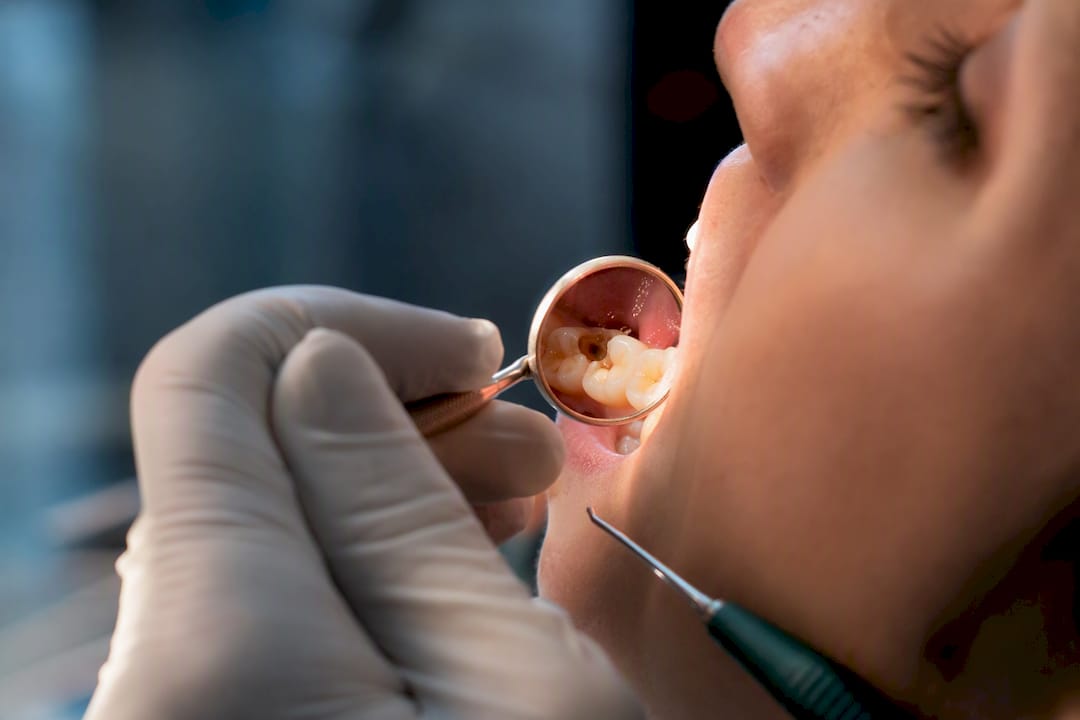
Call your dentist and describe your symptoms; if the pain is mild, protect the tooth by rinsing gently, avoiding chewing on that side, and covering the gap with an over-the-counter temporary filler or dental wax. Seek same-day care if you have severe pain, facial swelling, fever, bleeding, or a broken tooth. For everyone else, a few days of careful self-care is safe while you wait for an appointment.
TL;DR:
- Most lost fillings can be managed with temporary measures and prompt dental contact within 48 hours, unless there is severe pain or swelling.
- Visible gaps, sharp edges, sensitivity, or bite changes typically indicate a lost filling, but large fractures or crown losses require immediate professional evaluation.
- Using pharmacy temporary filling kits correctly can buy time and prevent worsening, but should never replace urgent care if pain or swelling develops.
- Urgent symptom signs that need emergency care include persistent throbbing pain, swelling, fever, bleeding, or a broken tooth causing injury.
- Seeking quick treatment with advanced procedures like crowns or root canals can prevent higher costs and more complex problems later.
Table of Contents
- How Can You Tell a Filling Actually Fell Out?
- What Should You Do in the First 24 to 48 Hours?
- What Temporary Repair Options Can You Buy at a Pharmacy?
- Is a Lost Filling a Dental Emergency?
- How Do Dentists Actually Fix a Lost Filling?
- How Do You Prevent This From Happening Again?
- Our Take on Lost Fillings and When to Act
- How Clayton Dental Studio Handles Lost Filling Visits
- Where to Read More
- Sources
How Can You Tell a Filling Actually Fell Out?
Not every twinge in your mouth means you lost a filling, so it helps to know what you’re actually feeling for. Run your tongue over the tooth. If you feel a noticeable dip, a rough edge, or a hard little fragment loose in your mouth, that’s usually your answer.
You might also notice:
- A visible dark or empty gap where a smooth surface used to be
- A sharp or jagged edge that catches your tongue or cheek
- Sudden sensitivity to hot, cold, or sweet foods on that tooth
- A change in how your teeth meet when you bite down
A lost filling behaves differently from a fractured tooth or a dislodged crown, though the symptoms can overlap. If you can feel exposed, sensitive dentin but the outer tooth shape looks mostly intact, you’re likely dealing with a missing filling. If a large chunk of tooth structure broke away, or a whole crown popped off in one piece, you’re facing a different problem, one that still needs the same urgency but may involve a different fix.
What Should You Do in the First 24 to 48 Hours?
The first two days matter most, and what you do during them can genuinely affect how simple your repair turns out to be.
- Call your dental office first. Describe what happened and ask about same-day openings. Most practices keep slots open specifically for this kind of situation.
- Rinse with warm salt water. Mix half a teaspoon of salt into a cup of warm water and swish gently. This clears debris from the exposed area without irritating the nerve. Repeat after meals.
- Avoid chewing on that side. Stick to soft foods like yogurt, eggs, or soup, and brush around the tooth gently rather than skipping hygiene altogether.
- Manage discomfort with ibuprofen or acetaminophen, and use a cold compress against your cheek if the area feels swollen or tender.
- Save any pieces of the filling or crown you find. Wrap them in a tissue and bring them to your appointment. Sometimes a dentist can reuse or reference the original piece.
Pro Tip: Keep the exposed area as clean as possible between meals, but skip mouthwash with alcohol for now. It can sting the exposed dentin far more than plain warm water will.
What Temporary Repair Options Can You Buy at a Pharmacy?
Pharmacy shelves carry several products designed exactly for this situation, and knowing how they work keeps you from making the gap worse. Options include:
- Temporary filling kits (Cavit-style, IRM-style, and various store brands) that harden into a protective plug
- Dental wax, useful mainly for smoothing a sharp edge rather than filling a deep cavity
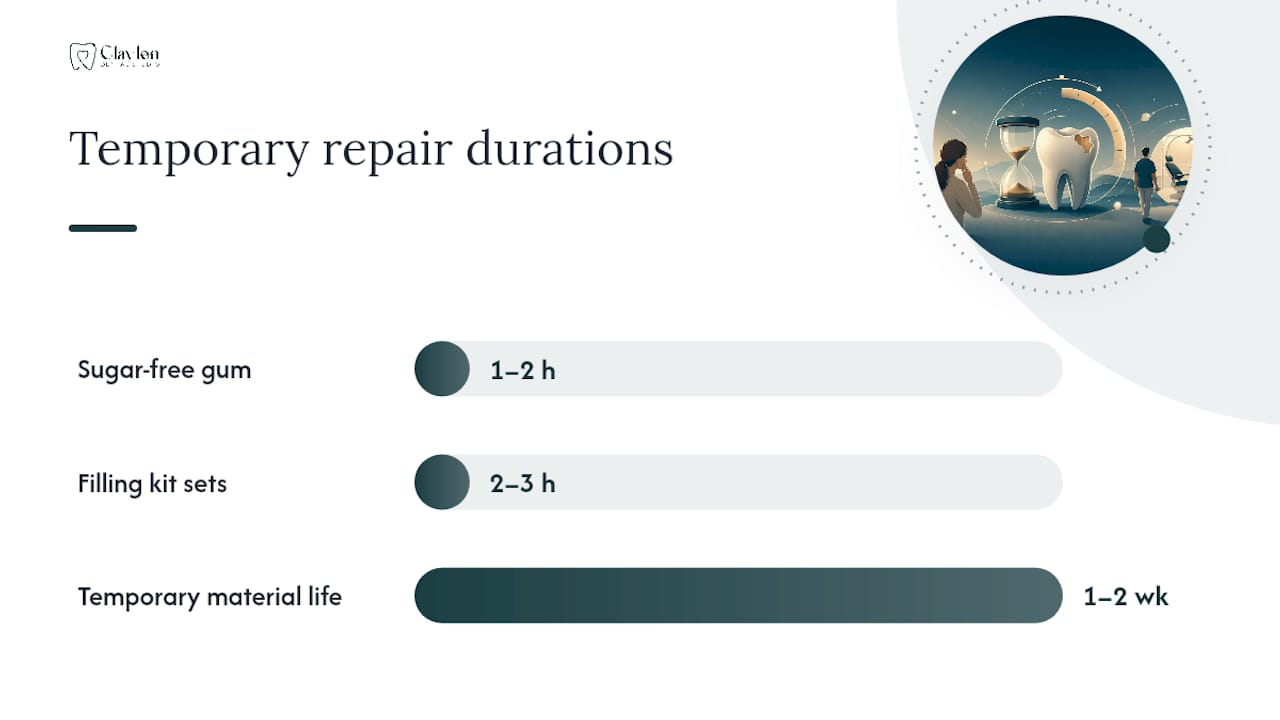
- Sugar-free gum, a genuinely last-resort patch for an hour or two, never a real fix
- Clove oil, which some people use for its mild numbing effect on exposed nerve tissue
If you go with a temporary filling kit, technique matters more than the product itself. Floss and rinse the area first, then dry it with a tissue or gauze so the material actually adheres. Pack a slightly oversized amount into the space, bite down gently to shape it to your bite, and then leave it alone. Most kits ask you to avoid chewing for two to three hours while the material sets, and instructions typically recommend seeing a dentist within 48 hours of use.
Skip the DIY route entirely if you’re dealing with throbbing pain, visible swelling, or a large section of broken tooth. Those signs point toward something a home kit can’t fix. Even when everything goes right, these materials are built to last one to two weeks at most, not a permanent solution. Never substitute super glue or other household adhesives; they’re toxic and can make the eventual repair harder for your dentist to complete.
Is a Lost Filling a Dental Emergency?
Most lost fillings are urgent, but they rarely require an emergency room visit. Calling your dentist first is the right move in the vast majority of cases, with prompt care scheduled within a few days.
That said, certain symptoms change the calculation entirely. Seek same-day or emergency care if you notice:
- Severe, persistent throbbing pain that doesn’t ease with over-the-counter medication
- Swelling in your gum, cheek, or jaw
- Fever, which can signal a spreading infection
- Bleeding that won’t stop with gentle pressure
- A broken tooth with sharp edges cutting your tongue or cheek
When you call, expect the office to ask about pain level, swelling, how long ago the filling came out, and whether you have any signs of infection. Those answers help them decide how quickly you need to be seen.
How Do Dentists Actually Fix a Lost Filling?
Your dentist will start with a visual exam and an X-ray to see how much healthy tooth structure remains and whether decay has crept anywhere near the nerve. That single X-ray usually determines everything about your treatment path.
- If enough tooth structure remains, the fix mirrors your original filling: numb the area, clean out any decay, and place fresh composite or amalgam. Recovery is minimal, and most patients are back to normal chewing within a day.
- If the remaining structure is thin or cracked, a crown or onlay offers more support than a filling alone. A same-day CEREC crown can be designed and placed in a single visit, while a lab-made crown usually takes about two weeks with a temporary in between. Both approaches involve a similar procedure sequence, just on different timelines.
- If decay reached the nerve, a root canal followed by a crown is the standard path. In cases where the tooth is too compromised structurally, extraction becomes the more realistic option.
Cost and complexity climb the longer you wait. A simple filling replacement costs far less than a root canal and crown, which is the strongest financial argument for prompt care.
How Do You Prevent This From Happening Again?
Grinding, biting hard foods, and skipping cleanings all shorten a filling’s lifespan. A nightguard helps if you clench or grind at night, and avoiding ice, hard candy, and sticky caramel protects older fillings specifically.
- Brush gently around any recently repaired tooth and avoid chewing directly on it for the first few days
- Expect mild sensitivity to temperature for one to two weeks after a replacement; call back if pain worsens instead of fading
- Schedule routine checkups every six months so small issues get caught before they become lost fillings
- Ask your insurer how emergency visits are coded, since some plans handle them differently than routine care
Our Take on Lost Fillings and When to Act
Most people wait too long after a filling falls out, mainly because the tooth doesn’t always hurt right away. That silence is misleading. Clayton Dental Studio has seen plenty of cases where a painless gap turned into a nerve-level problem simply because a few too many weeks passed. Dr. Navneet Kamboj, who earned her DDS from the University at Buffalo and trained further at UCLA, built the practice around same-day exams and CEREC crowns for exactly this reason: speed changes outcomes. If you’ve lost a filling, bring any saved fragment and your insurance information to your visit. Acting within days, not weeks, is what usually keeps a simple filling replacement from turning into something bigger.
— Clayton Dental Studio
How Clayton Dental Studio Handles Lost Filling Visits
Clayton Dental Studio is built for exactly this kind of unplanned dental problem. We offer same-day emergency exams, same-day CEREC crowns when a filling alone won’t hold, and direct referrals for root canal treatment when decay has reached the nerve. There’s no long wait for a lab-made crown when a same-day option gets you back to normal chewing that afternoon.

Booking is simple: call our Humble, TX office directly or request an appointment online. At your visit, we’ll take an X-ray, review your options, and walk through insurance or financing before any work begins. Bring your insurance card, any prior dental records you have on hand, and that saved piece of filling if you managed to hold onto it. It genuinely speeds up the exam. If you’re not sure whether your situation needs urgent attention, our full list of services outlines what we treat, and a quick phone call can settle the rest.
Where to Read More
- MouthHealthy: tooth decay overview — American Dental Association guidance on decay progression
- Dentek Advanced Repair — pharmacy temporary repair product instructions
This article is general information, not a substitute for advice from a qualified doctor. Consult a qualified healthcare professional about your own circumstances before acting on anything here.
Sources
- What To Do If Your Filling Falls Out: Don’t Panic, Just Call The Dentist
- What to do if your filling falls out
- Dental
- CVS Health Dentist Strength Temporary Lost Filling & Loose Cap Repair
Recommended
Ready to Schedule Your Appointment?
Dr. Kamboj and the Clayton Dental Studio team are here to help. Call us or book online today.